
alfalfa Pellet Mills
Alfalfa is hailed as the “King of Forage” and is characterized by its high yield, rich nutritional content, excellent palatability, and broad applicability across various livestock and poultry species, making it an ideal feed source for animal husbandry.
Production capacity : 0.5-8t/h
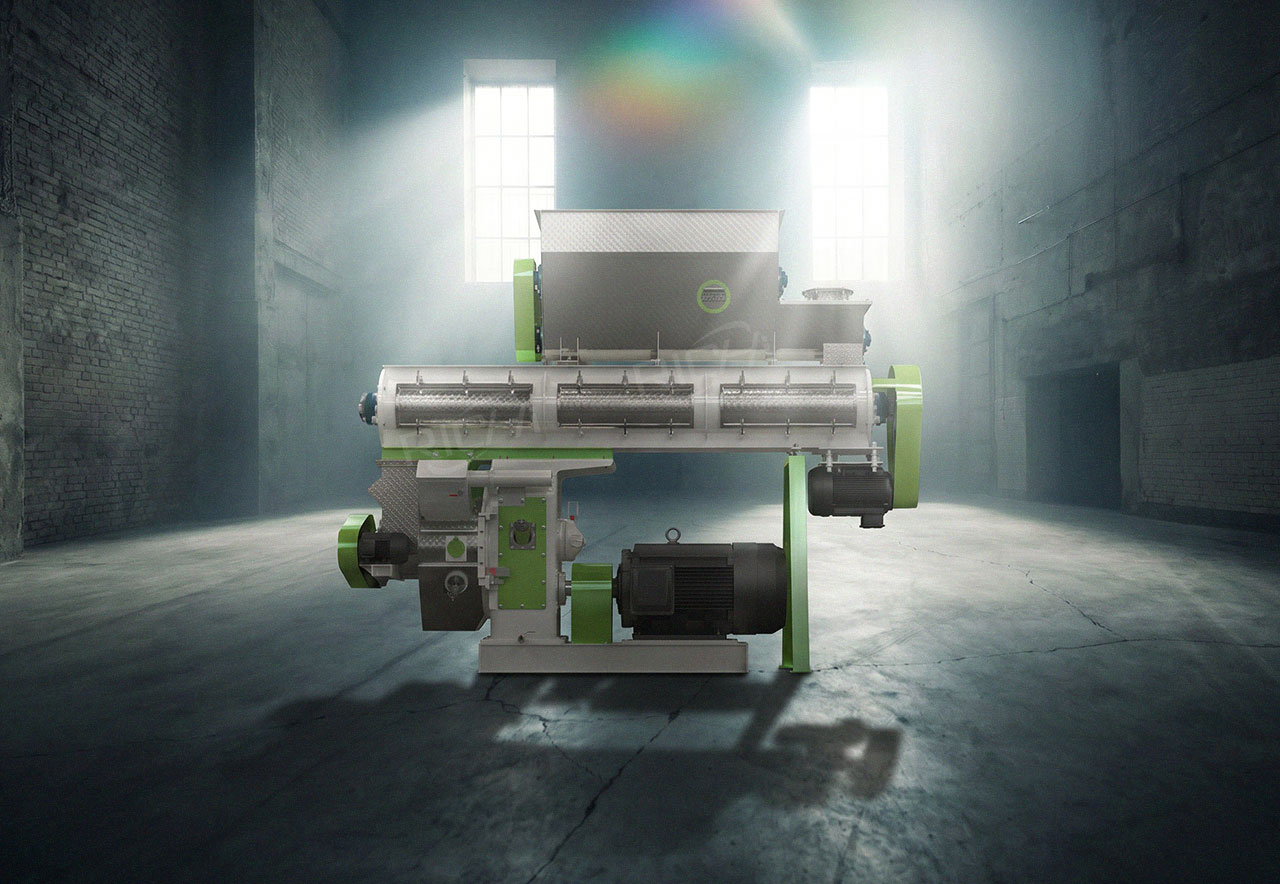
RICHI Alfalfa
Pellet Making Machine
Since its establishment in 1995, RICHI has focused on feed machinery for 31 years, committed to achieving maximum long-term value with the lowest operating costs.
Product Introduction
The RICHI Alfalfa Pellet Machine is specifically designed for alfalfa and other forage-based raw materials, capable of efficiently producing uniform pellets ranging from 1 to 16 mm in diameter. The finished pellets serve not only as high-fiber feed—providing a vital protein source for ruminants such as cattle and sheep—but can also be utilized as biomass fuel, organic garden fertilizer, and for other applications.
The alfalfa pelletizer offers a production capacity ranging from 1 to 40 tons per hour, making it suitable for various feed processing plants and biomass fuel production enterprises.

Strong Adaptability
The alfalfa pellet machine is capable of efficiently processing a wide variety of forage grasses—including alfalfa, foxtail grass, reeds, oat grass, hemp, Miscanthus, and King Grass—as well as agricultural crop stalks; furthermore, its integrated forced-feeding system effectively prevents machine clogging caused by loose, fluffy materials.
For baled alfalfa, a dedicated bale-breaking and crushing section can be configured to enable continuous production.
Broad Production Capacity Coverage
RICHI offers a total of six models, ranging from the CZLH320 to the CZLH768, with a single-unit output capacity ranging from 0.5 to 8 tons per hour. Customers may select a single pellet mill based on the scale of their operations, or opt to integrate multiple production lines.
The equipment supports 24-hour continuous operation, meeting the high-intensity pelletizing demands of biomass fuel power plants and large-scale feed processing enterprises.
Granules have diverse applications
When used as animal feed, the pellets possess moderate hardness, resulting in minimal waste during consumption by cattle and sheep; when utilized as biomass fuel, they exhibit a high calorific value and low ash content, enabling complete combustion.
The granules can also serve as carriers for organic fertilizers; by mixing them with fermented livestock and poultry manure to produce granulated organic fertilizer, the resource-based utilization of waste materials is achieved.
Energy Conservation and Consumption Reduction
The machine employs a high-precision gear transmission system, boosting efficiency by 15% compared to traditional belt-driven systems and significantly reducing power consumption for the same output volume.
Both the main motor and the feeding motor utilize imported Siemens motors, delivering powerful performance. Furthermore, they employ variable frequency control, allowing the motors to automatically adjust their speed in response to the load, thereby preventing energy waste.
Various Capacities
Many customers face challenges in terms of production capacity when choosing a alfalfa pellet mill. RICHI offers a variety of alfalfa pellet mill models for your selection; the specific parameters for each model are listed below.
Alfalfa Pellet production
| Model | CZLH320 | CZLH350 | CZLH420 | CZLH520 | CZLH678 | CZLH768 |
| Main Motor Power (kW) | 22 | 37 | 90 | 132 | 200 | 250 |
| Arch-Breaking Feeder Power (kW) | 2.2 | 2.2 | 3 | 3 | 3 | 4 |
| Forced Feeder Power (kW) | 0.75 | 0.75 | 1.5 | 1.5 | 1.5 | 1.5 |
| Ring Die Inner Diameter (mm) | 320 | 350 | 420 | 520 | 673 | 762 |
| Finished Particle Diameter (mm) | 4~12 | |||||
| Output (T/H) | 0.5-0.6 | 1.0-1.2 | 1.8-2.0 | 2.8-3.0 | 4-5 | 6-8 |
Main Components
of Pellet Mill
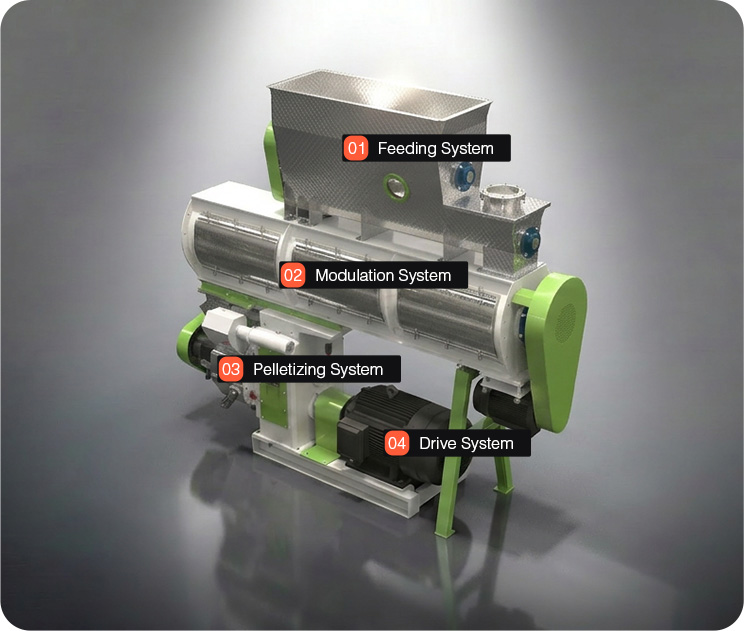
Alfalfa pellet making machine is mainly composed of three main parts: feeder, conditioner and main machine. The following is a brief introduction to the main components of the pellet maker.
Arch-Breaking Feeder
Variable-Frequency
Engineered specifically for alfalfa meal, this unit adopts a counter-rotating dual-shaft material stirring structure to effectively eliminate material bridging and arching of alfalfa powder. It is equipped with variable-frequency feeding speed regulation, which automatically adjusts according to the real-time load of the pellet mill. In addition, the arch-breaking feeder features a power range of 2.2–4 kW, thereby delivering a consistent, stable material flow for downstream processing.
Tempering Unit
High-Quality Stainless Steel
For feed-grade production, a multi-layer stainless steel conditioner is optional. It regulates temperature and humidity via steam to soften alfalfa fibers and enhance pellet palatability. For fuel-grade production, a variable-pitch forced feeding device delivers positive conveying of dry alfalfa meal into the pelleting chamber. Both configurations support variable frequency speed adjustment, fully meeting production demands for different application scenarios.
Granulation Main Unit
Intelligent and Efficient
This unit uses a high-efficiency Siemens motor and comes with an intelligent power regulation system.We fabricate the ring die and pressure rollers from stainless steel and 42CrMo alloy to greatly reduce wear and tear. Furthermore, the machine is fitted with safety protection mechanisms that automatically cut off power in the event of abnormal operating conditions, thereby ensuring the safe and secure operation of the equipment.
Alfalfa Pellet Mill for Sale
You are free to select a alfalfa pellet machine with the specific capacity that best suits your personal budget and desired production output.
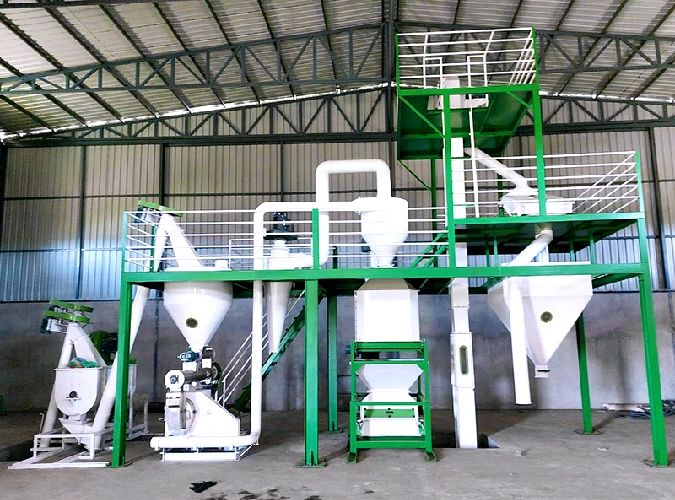
Small-scale biomass pellet production (1-5 tons/hour)
Main Equipment: Drum chipper, teardrop-type pulverizer, MZLH series pellet mill, arch-breaking feeder, forced feeder, suspended iron remover, counterflow cooler, etc.
The production line is available in two configurations: a standard version and a high-end version. The standard version features a segmented layout and entails lower investment costs. The high-end version requires a workshop with an overall ceiling height of approximately 12 meters and is equipped with a drying system.
Target Audience: Small-scale livestock farmers, biomass pellet startups, regional fuel supply stations
Output Range: Covers multiple tonnage ranges, including 1–1.2T, 2–2.5T, 3–3.5T, 4–5T
Medium-scale biomass pellet production (6-10 tons/hour)
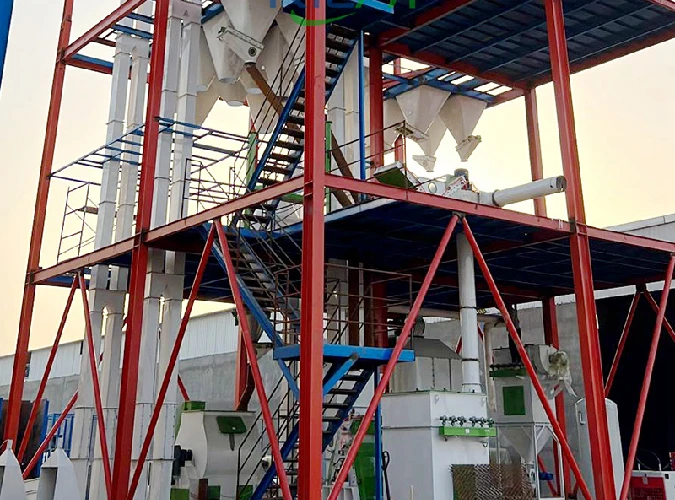
Main Equipment: Drum chipper, teardrop-type pulverizer, MZLH520 pellet mill, rotary dryer, u-type screw conveyor, counterflow cooler, vibrating screen, packaging Scale, pulse dust collector, etc.
In the standard-configuration production line, each section features independent material stockpiling and requires manual feeding. In contrast, the high-end configuration adopts a fully automated continuous line with fully integrated equipment, and the whole line comes with dust removal and sound insulation facilities.
Target Audience: Biomass fuel plants, heating companies, and pellet production enterprises
Output Range: Covers two weight classes, 6–7.5T and 8–10T
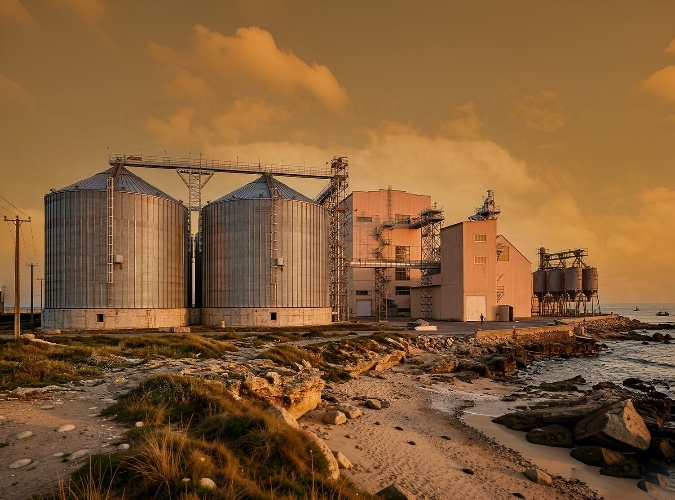
Large-scale biomass pellet production (16-20 tons/hour)
Key Equipment: 6–8 large-scale granulators (operating in parallel), a central computerized automatic batching system, a modular drying system, extra-large storage silos, a fully automated packaging system, a heat-sealing machine, etc.
Applicable Materials: Wet sawdust, straw, forage grass, tree bark, empty palm fruit bunches, formwork waste, etc. We provide fully automated “turnkey” solutions, covering the entire process from raw material reception to finished product packaging. Optional steam boiler systems and fat addition systems are available.
Target Audience: Large-scale biomass power plants, industrial boiler fuel groups, and multinational pellet manufacturing enterprises
Output Range: 16–20T
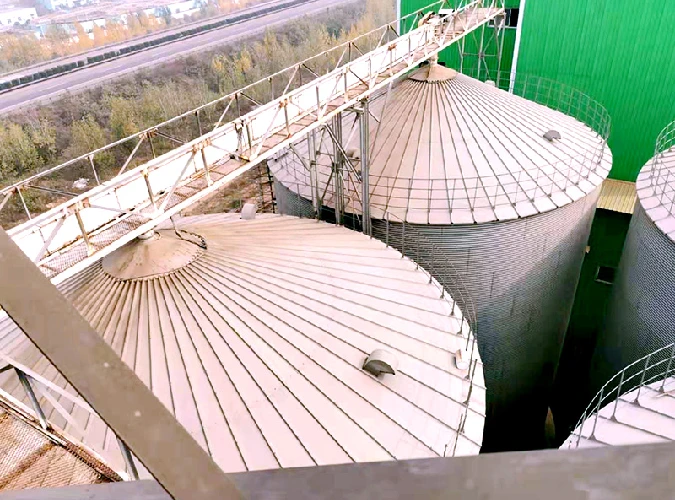
Ultra-large-scale biomass pellet production (24-30 tons/hour)
Key Equipment: Multiple large-scale granulators operating in parallel, an industrial-grade drying system, a fully automated computer-controlled batching system, a cluster of high-capacity storage silos, a fully automated high-speed packaging line, heavy-duty shredders, and more.
The specific process sections share a similar structure with the 16–20 ton line, while we further upgrade the specifications and quantities of all equipment. The production line delivers high integration and adopts a modular design, allowing it to support 24-hour continuous operation.
Target Audience: Super-large-scale Biomass Power Plants and Biomass Energy Bases
Output Range: 24–30T
alfalfa pellet Process Flow
RICHI alfalfa pellet mills offer modular solutions from raw material receiving to finished product packaging. Below is the processing flow of their production line.
Raw Material Cutting
Cut excessively long or bundled alfalfa hay into suitable short sections to meet the feed requirements of the crusher. This step can be selected or omitted depending on the original length of the raw material.
Screening and Impurity Removal
Impurities such as stones, dirt, and nails are removed using a cylindrical primary cleaning screen or vibrating screen. A permanent magnet cylinder is also used to adsorb ferromagnetic substances.
Drying
Raw materials are subjected to hot-air drying using a rotary drum dryer to control their moisture content; the drying time is approximately 2 minutes for green alfalfa and 8–9 minutes for fresh green grass.
Grinding
The alfalfa is ground into fine particles of 0.2–0.4 mm using a feed crusher to improve the material’s cohesiveness.
Granulation
The uniformly mixed alfalfa powder enters an alfalfa pellet mill, where it is formed under the extrusion of a ring die and pressure rollers. Unformed powder is returned to the mill via a return system for re-pressing.
Cooling and Packaging
Freshly extruded pellets (80–90℃) enter a counter-current cooler for rapid cooling to room temperature. They are then bagged, sealed, and stored in a moisture-proof warehouse.
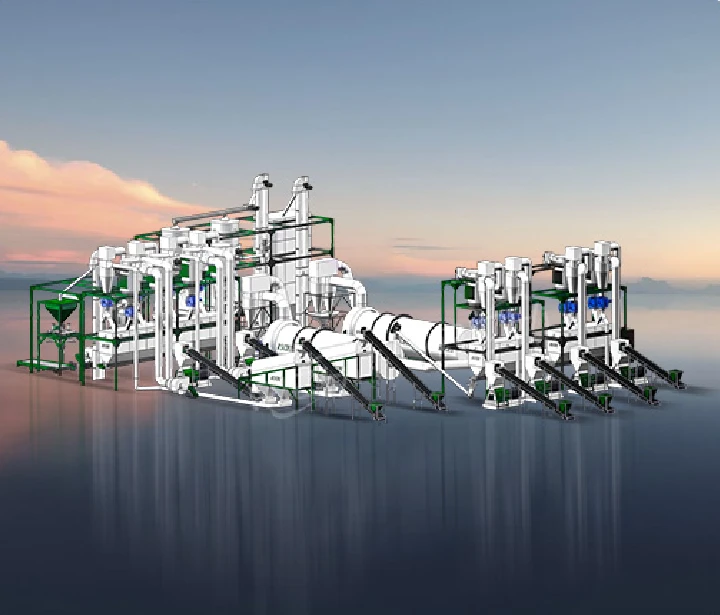
Precisely
Tailored Solutions
Based on the specific characteristics of the raw materials or site constraints, RICHI’s engineers will redesign the process workflow and adjust the quantity of required equipment.
alfalfa pellet case studies
●USA
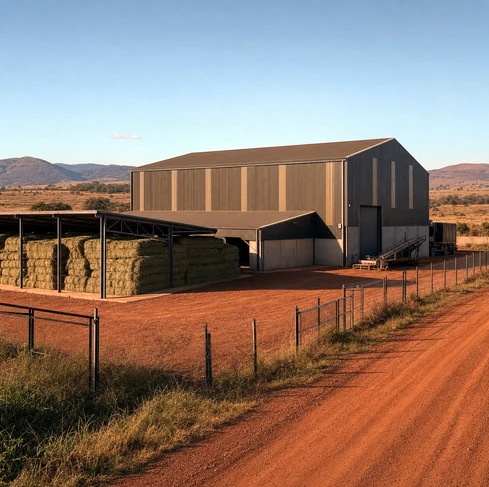
11-12 T/H Grass Pelleting Production Line
Main equipment: 90 kW Hammer Mill, 1000 kg Mixer, 160 kW New-Type Hemp Wood Pellet Mill, Cooler, Crusher, Sifter etc.
- Ingredients : Hemp
- Product dimensions : 1-12mm
●Indonesia
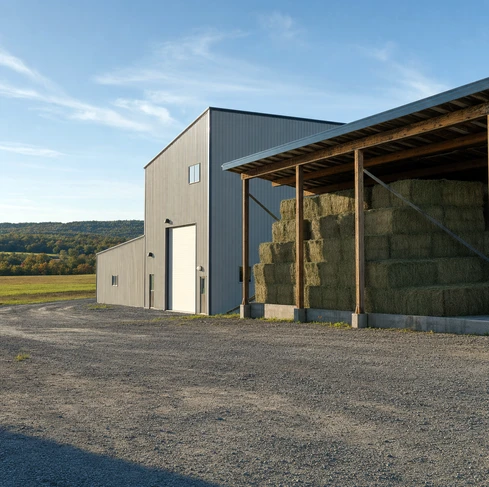
3–5 T/h Ruminant Feed Pelleting Production Line
Main equipment: Double-ribbon mixer, 132 kW pelletizer with side feeder, and two galvanized storage bins of different capacities.
- Ingredients : Straw, Alfalfa, Rice Husks, Corn
- Product dimensions : 6-12mm
●Hong Kong, China
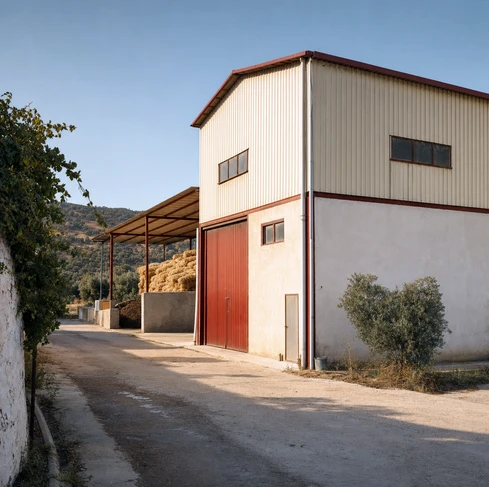
3-4 T/H Ruminant Feed Pelleting Production Line
Main equipment: Hammer Mill, Dryer, Mixer, Storage Bin, Granulator, Cooler, Vibrating Screen, Automatic Packaging Machine.
- Ingredients : 80% Fresh Pasture Grass
- Product dimensions : 6-12mm
●Qatar
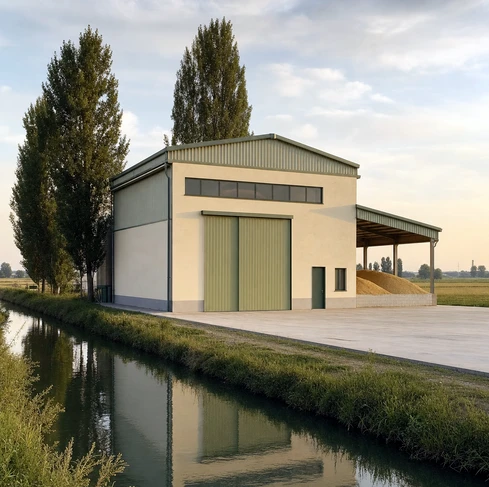
1-1.2 T/H Pigeon + Camel Feed Pelleting Production Line
Main equipment: 11 kW Animal Feed Crusher, 250 kg Drum Powder Mixer, 22 kW Feed Pellet Mill, Cooler, and Other Auxiliary Equipment.
- Ingredients : Corn, soybean meal, premixes
- Product dimensions : 2mm,3mm,4mm,6mm
Our
Core Strengths
RICHI Machinery remains steadfastly focused on innovative R&D and precision manufacturing. Through our scientifically tailored services, comprehensive after-sales support, and advanced, reliable equipment, we empower you to maximize your profits.
Scientific Customization Services
Our company has a dedicated R&D and design team to provide customized services. Whether for household or commercial use, we will develop a tailored alfalfa pellet production line that is efficient and stable for your needs.


Comprehensive After-Sales Support
RICHI provides comprehensive after-sales support and have a global network of maintenance personnel. If any issues arise with the equipment, our after-sales team will immediately provide solutions, and dedicated technicians will offer on-site repairs within 48 hours to minimize your downtime.
Advanced Reliable Technology
RICHI Manufacturing is backed by an advanced technology system. We have obtained certifications including European CE and Swiss SGS. Our strong technical capabilities ensure reliable production for your operations.
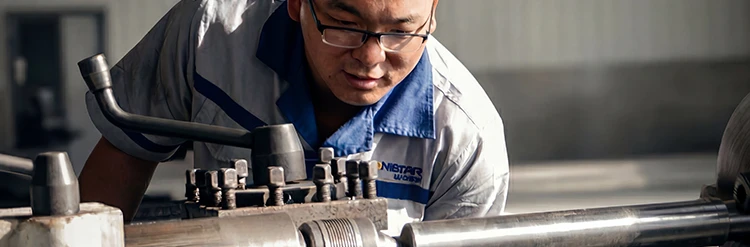
Global Service Experience
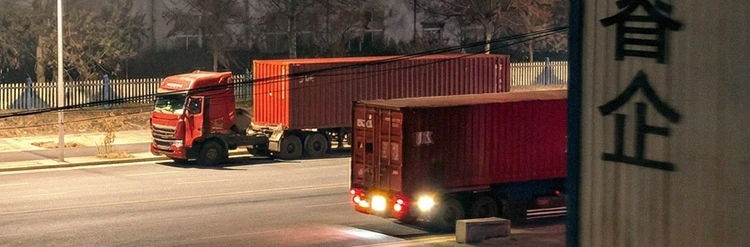
RICHI alfalfa pellet mills cover more than 120 countries and regions worldwide, adapting to different climates and farming models. With thousands of successful customer cases, their quality has stood the test of time.

About RICHI Machinery
Based in China and serving global markets, RICHI Machinery is a global manufacturer and engineering service provider specializing in pellet production equipment and complete processing systems. From feed, biomass, and organic fertilizer to cat litter and agricultural waste recycling, we help customers build efficient, reliable, and scalable production solutions tailored to their raw materials, capacity requirements, and market goals. With projects delivered across multiple industries and countries, our focus is always on practical performance, long-term operation, and customer success.
Advanced Engineering & Intelligent Manufacturing
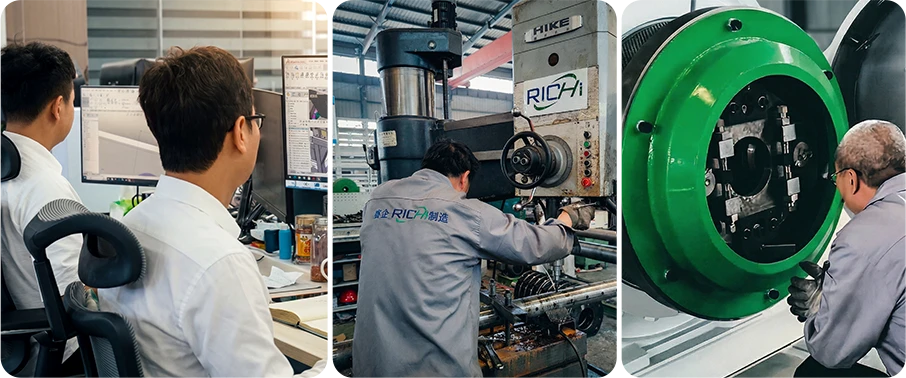
Driven by technology and manufacturing expertise, RICHI integrates process engineering, equipment R&D, intelligent manufacturing, and project delivery into one complete service system. Our modern production facilities, precision machining capabilities, and experienced technical team allow us to provide customized equipment, complete plant design, automation integration, installation guidance, and ongoing technical support. From single machines to fully integrated production lines, we deliver solutions designed for stability, efficiency, and sustainable production growth.
Frequently Asked Questions
The following is a summary of frequently asked questions regarding configuration, installation, after-sales service, pricing, and complete plant setup, to help you quickly understand RICHI products.
What is an arch-breaking feeder?
An arch-breaking feeder is a specialized device mounted on the mill feeding hopper. Agricultural residues such as stalk powder and grass powder have poor fluidity and tend to form bridging blockages inside the hopper and stop feeding. Built with a low-speed stirring shaft, it continuously agitates materials to break arching structure, ensuring steady and uniform material flow into the downstream forced feeder for stable continuous production.
Can the equipment process high-moisture or baled alfalfa?
Yes. For high-moisture raw materials, a rotary dryer can be configured for pretreatment; for baled alfalfa, a bale-breaking and crushing section must be added to ensure continuous and stable feeding. The equipment’s integrated forced-feeding system effectively prevents tangling and clogging.
Is the particle diameter adjustable? What is the range?
Yes. By swapping out ring dies with different aperture sizes and adjusting the cutter, the diameter of the finished pellets can be flexibly adjusted within the range of 1–16 mm. Feed pellets typically range from 4 to 8 mm, while fuel pellets typically range from 6 to 12 mm.
What is the energy consumption level of the equipment?
Taking the CZLH420 model (featuring a 90 kW main motor) as an example, the electricity consumption per ton of alfalfa pellets produced is approximately 25–35 kWh; the specific energy consumption level of the equipment depends on the moisture and fiber content of the raw materials.
Core Equipment Configuration?
All equipment uses Siemens motors and SKF bearings; all parts in contact with materials are made of stainless steel.
Not satisfied with the price?
We recommend suitable models and processes based on customer needs, patiently answer questions, and provide multiple solutions for users to choose from.


