
Pig Feed Pellet Mill
Still struggling to choose the right pig feed pellet mill? Look no further-Richi is the perfect choice. We are dedicated to providing you with comprehensive, end-to-end services for the entire pelletizing process. If you require customized solutions, please do not hesitate to contact us and share your specific needs;we guarantee your complete satisfaction.
Customer output : 15t/h
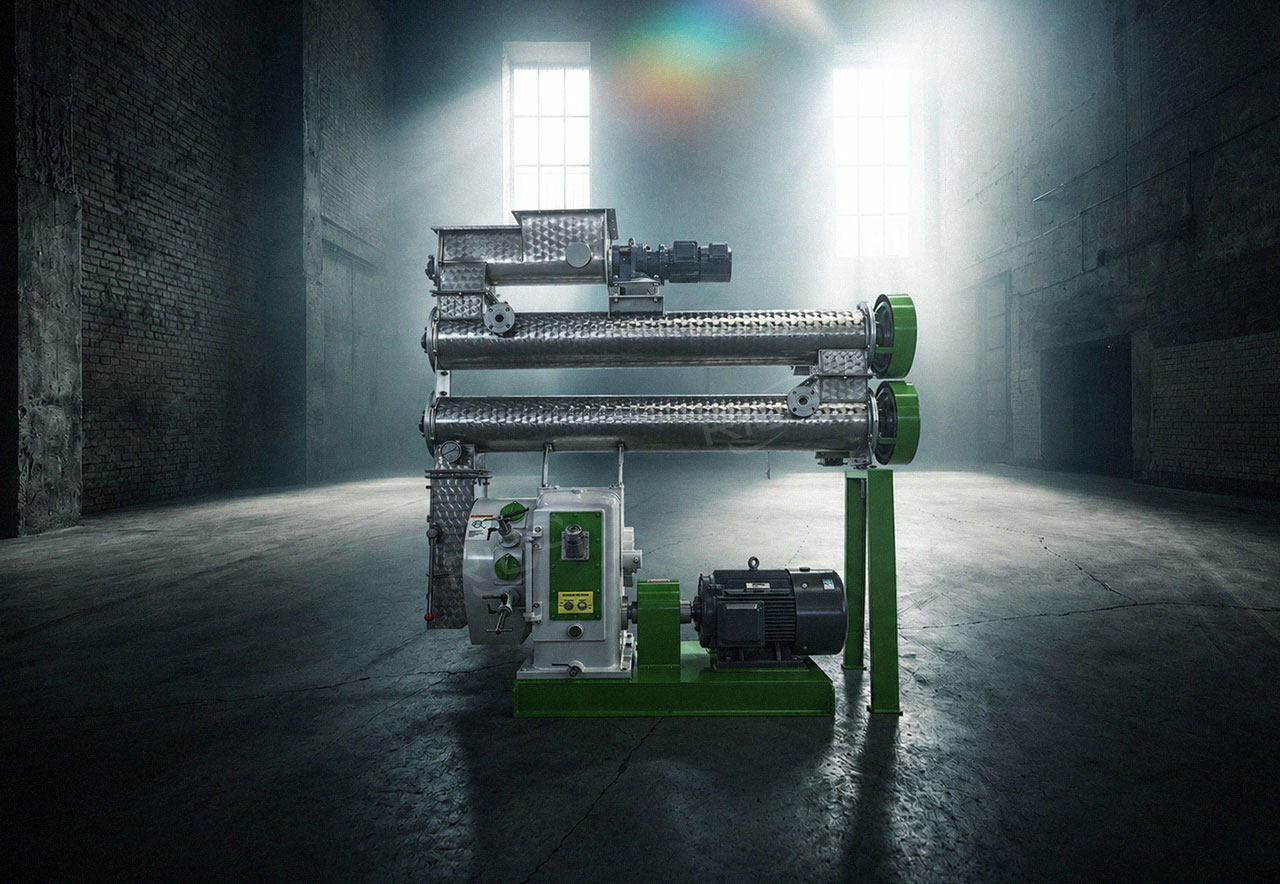
Equipment Introduction
Different pig breeds have varying growth cycles and, consequently, distinct dietary requirements. Our pellet mills are capable of producing feed pellets ranging from 2 to 12 mm in size, making them suitable for raising various types of pigs-including piglets, market hogs, and breeding stock. You can select specific feed formulations based on your individual needs, utilizing our equipment to produce feed pellets that precisely match your preferences.
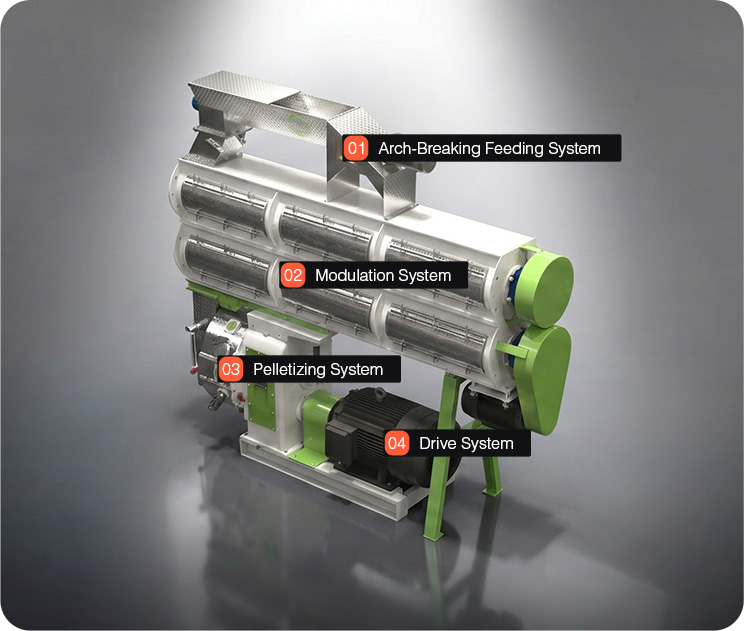
Structure of Pig Feed Pellet Mill
Our equipment primarily consists of the following four components:the feeding system,conditioning system,pelletizing system,and conveying system.These components work in tandem and complement one another to efficiently produce pig feed pellets characterized by uniform diameter, high quality, and excellent palatability.

Feeding System
Serving as the “feed intake hub” of the equipment, the feeding system features a variable-frequency speed control design, allowing for flexible adjustment of the feed rate. Raw materials-such as corn, soybean meal, and wheat bran-are conveyed uniformly and steadily to the next stage via an impeller feeder. This effectively prevents equipment blockages caused by overfeeding, while also ensuring that underfeeding does not compromise pelletizing efficiency. The system is simple to operate and adaptable to raw materials of varying moisture levels and particle sizes.
Modulation System
The conditioning system can be described as the pivotal step in enhancing feed quality;it achieves this by precisely controlling the temperature and humidity of steam to thoroughly condition the raw materials.Once conditioned,the raw materials become pliable and resilient.This not only boosts the molding success rate during the subsequent pelletizing process but also effectively locks in essential nutrients-such as proteins and vitamins-within the feed. Furthermore, it eliminates harmful bacteria present in the raw materials, making the resulting feed pellets easier to digest and thereby reducing the incidence of gastrointestinal diseases in the pig herd.
Pelletizing System
This system employs a design featuring dual pressure rollers and a ring die, constructed from robust, wear-resistant materials. Its primary function is to compress the conditioned materials into pellets of uniform size and moderate hardness. Pellets produced by our equipment are smooth, plump, and resistant to crumbling, offering excellent palatability. This stimulates the pigs’ appetite, thereby minimizing picky eating habits and reducing feed wastage. You can flexibly adjust the pellet specifications to meet the specific nutritional requirements of different categories of pigs-such as piglets, fattening pigs, and sows-at various stages of their growth.
Drive System
This system utilizes a closed-loop design to effectively prevent pellet spillage and contamination by dust. It smoothly, rapidly, and steadily transports the finished feed pellets to designated storage containers, facilitating subsequent packaging and bagging operations. The conveying speed is synchronized with the pelletizing speed to ensure a smooth discharge flow without material accumulation. This significantly reduces manual labor costs associated with handling, rendering the entire pelletizing process more efficient and hygienic.
Parameter Table of Pig Feed Pellet Mill
Depending on varying production requirements, we primarily offer the following eight models of pig feed pelletizers. We are confident that you will find a model that meets your satisfaction. Detailed specifications are provided in the table below.
Animal feed production
| Model | SZLH250 | SZLH320 | SZLH350 | SZLH420 | SZLH508 | SZLH558 | SZLH678 | SZLH768 | SZLH858 |
| Output (T/H) | 1-2 | 3-4 | 5-7 | 8-12 | 10-18 | 15-25 | 20-30 | 25-40 | 28-45 |
| Main Motor Power (KW) | 22 | 37 | 55 | 110 | 160 | 180/200 | 220/250 | 250/280 | 315/355 |
| Feeder Motor Power (KW) | 1.1 | 1.5 | 1.5 | 1.5 | 2.2 | 2.2 | 2.2 | 2.2 | 2.2 |
| Conditioner Motor Power (KW) | 1.5 | 2.2 | 3 | 7.5 | 11 | 11 | 11 | 11 | 15 |
| Finished Pellet Diameter (mm) | 2-12 | ||||||||
| Ring Die Diameter (mm) | 250 | 320 | 350 | 420 | 508 | 558 | 678 | 768 | 858 |
Advantages of Pig Feed Pellet Mill
A high-quality device is one that not only stands up to the user experience but also withstands the test of time. We can state with confidence that whenever you have a need, we will strive to meet your requirements; we are certain that you will find the solution you seek right here at Richi.
number one
Superior Pellet Quality: More Appealing to Pigs
Feed pellets produced by our equipment feature uniform size and a compact structure; they resist crumbling and pulverization, thereby enhancing the pigs’ feeding experience. Compared to loose powdered feed, these pellets are cleaner, more hygienic, and possess superior palatability, reducing the likelihood of pigs becoming picky eaters during feeding. Furthermore, pellets that have undergone the pressing and conditioning processes are more easily digested and absorbed. In practical farming applications, this often translates into tangible results: “pigs eat more eagerly and grow stronger.”
number two
Stable and Durable Equipment: Low Maintenance Costs
Critical load-bearing components are typically constructed from high-strength alloy steel, while wear-prone parts-such as dies and press rollers-undergo specialized wear-resistant treatments. This ensures that the machine maintains optimal operational performance, even during prolonged periods of high-load, continuous operation. The overall structure exhibits high rigidity, resisting deformation or damage; this minimizes the need for frequent component replacements, resulting in relatively low overall maintenance costs and making the equipment ideal for long-term, continuous use.
number three
High Versatility: Accommodates a Wide Range of Formulas
Whether processing standard formulas based primarily on corn and soybean meal, or complex formulas incorporating ingredients such as wheat bran, rice bran, and premixes, this equipment handles the pelletizing process with ease. Through a properly calibrated conditioning and pressing process, the raw materials resist stratification and uneven molding, demonstrating a high degree of “tolerance” for variations in raw material composition. Consequently, in practical production settings, the same machine can be utilized to process a wide variety of feeds-including starter feed for piglets, grower-finisher feed, and feed for breeding stock-offering broad applicability across different stages of pig farming.
Applications of Pig Feed Pellet Mill
Our equipment boasts a wide range of applications and is suitable for livestock farms and feed processing plants of various scales; we can also customize it to meet your specific production volume and requirements.
Large-Scale Pig Farms
If you operate a large-scale pig farm with a substantial number of livestock and have high standards regarding the stability and consistency of your feed, we are confident that our equipment can meet your needs for high-volume, continuous feeding operations. The feed pellets produced by our equipment not only facilitate standardized feeding but also help minimize waste and reduce airborne dust. Furthermore, pellet feed offers superior palatability, encouraging uniform feed intake across the herd-a factor that positively impacts both growth rates and overall health.
Family-Run Pig Farms
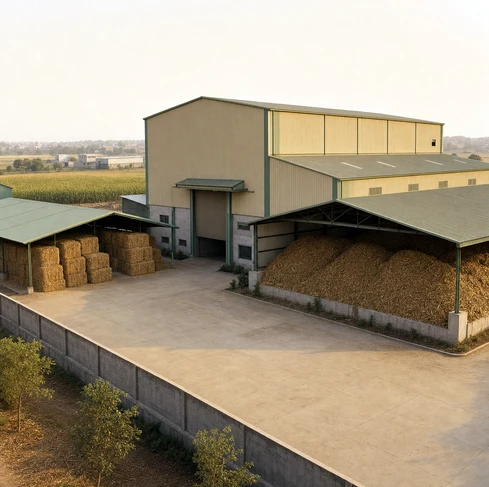
For small-scale operations-such as family-run pig farms-using our pellet mill to produce feed is a hassle-free solution. You can follow a specific formula to mix commonly purchased raw materials-such as corn, soybean meal, and wheat bran-and then compress them into feed pellets. Compared to feeding loose mash directly, pellet feed is cleaner and less susceptible to being blown away by the wind, thereby helping to reduce waste and simplify storage. Moreover, our equipment is relatively simple to operate and requires a modest initial investment; it can significantly boost feeding efficiency and feed utilization rates, offering you greater peace of mind and economic savings.
Professional Breeding Cooperatives
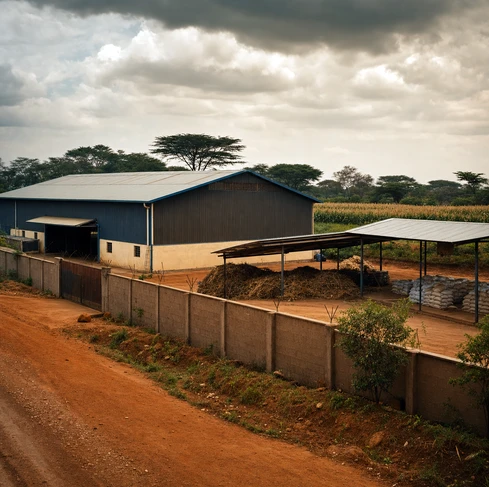
If you represent a professional breeding cooperative, I highly recommend utilizing our equipment for centralized feed processing and unified supply. You can consolidate the feed requirements of multiple member farmers, standardize the feed formulas, and conduct centralized production; the resulting feed pellets can then be distributed for use by the members. This approach ensures consistent feed quality while simultaneously lowering the costs associated with individual purchasing and processing. It is also worth noting that pelletized feed is easier to store and transport, making it ideally suited for large-scale management; this facilitates improvements in overall breeding efficiency and organizational effectiveness.
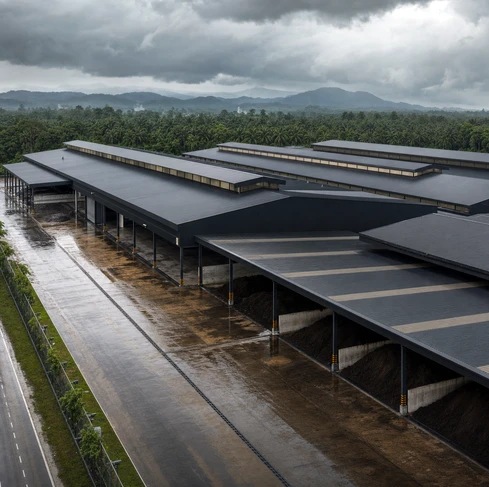
Complete Pig Feed Production Processing
The complete pig feed processing workflow includes raw material cleaning, crushing, mixing, pelletizing, cooling, and packaging.
Raw Material Cleaning Section
Equipment such as cylindrical pre-cleaners is utilized to remove impurities, stones, and dust from raw materials-including corn, soybean meal, and wheat bran-thereby ensuring the cleanliness and safety of materials for subsequent processing, while preventing equipment damage and maintaining feed quality.
Grinding Section
SFSP water drop hammer mill are employed to grind large-particle raw materials, such as corn and soybean meal, into a fine powder suitable for processing, thereby facilitating subsequent mixing and pelletizing stages.
Automatic Batching & Mixing Section
Intelligent batching scales are used to automatically weigh various raw materials according to specific formula ratios; these materials are then thoroughly blended by a mixer to ensure a uniform distribution of nutritional components.
Pelletizing Section
A pellet mill is used to compress the mixed powder into pelletized feed, thereby enhancing the feed’s palatability and nutritional utilization rate.
Cooling Section
Freshly produced, high-temperature pellets are fed into a counter-flow cooler for temperature reduction, allowing them to harden and stabilize in preparation for subsequent packaging.
Screening & Packaging Section
A grading screen is utilized to sift out unqualified powder and broken pellets, thereby ensuring the uniformity of the finished pellet product.Finally, a finished product packaging scale is used to weigh and package the qualified feed pellets, facilitating their storage, transportation, and sale.
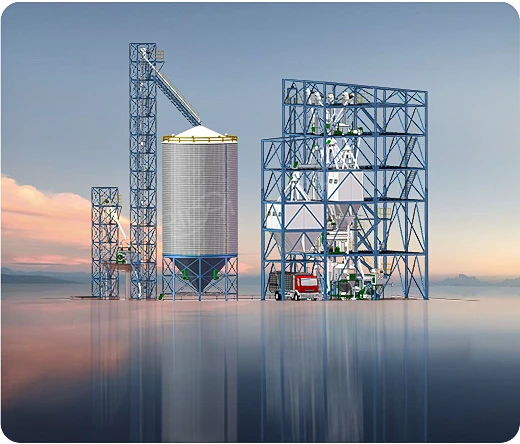
Project Case
We have provided customized pig feed production line solutions to clients across various countries and regions; the following are illustrative case studies.
●Romania
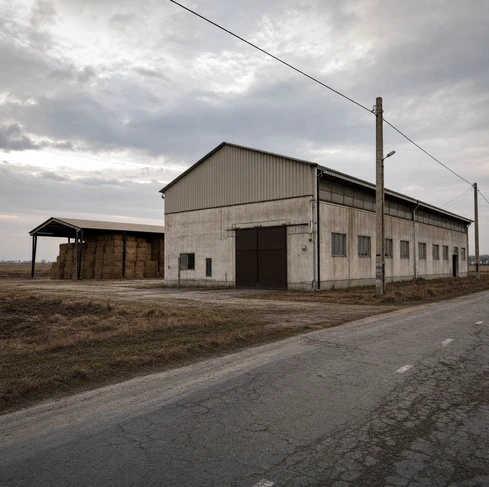
Pig Feed Pellet mill Project for Efficient Pig Farming
Background: As a major pig-farming nation in Eastern Europe, Romania’s swine industry is developing rapidly, leading to a year-on-year increase in demand for automated feed processing equipment.
- Model: SZLH350
- Capacity: 4-5t/h
- Pellet Diameter: 2-6mm(Suitable for piglets, nursery pigs, finishing pigs, and sows)
●Kenya
Commercial Pig Feed Pellet Machine for Increased Yield
Background: In recent years, the scale of Kenya’s pig farming industry has expanded rapidly. Local farmers and cooperatives were in urgent need of high-efficiency pelletizing equipment to produce high-quality pig feed at a lower cost.
- Model: SZLH420
- Capacity: 5-6t/h
- Pellet Diameter: 3mm; 4mm; 6mm; 8mm(Suitable for pigs at different growth stages)
●Bangladesh
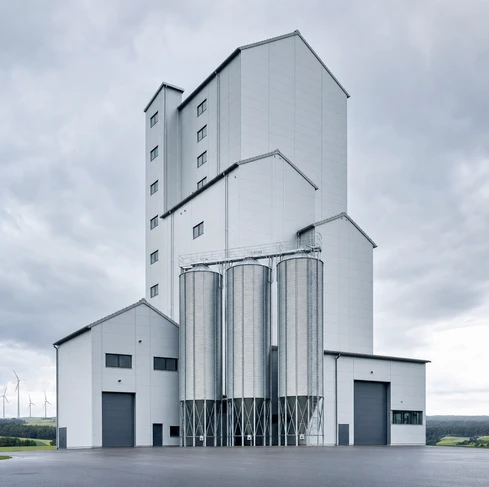
High-Quality Pig Feed Pelletizing Machine
Background: To meet the growing demand in the pork market and reduce farming costs, a pig farming cooperative in Bangladesh introduced our pig feed production line to produce their own feed in-house.
- Model: SZLH250
- Capacity: 1-2t/h
- Pellet Diameter: 2mm (Piglet feed); 4mm (Finishing pig feed); 6mm (Sow feed)
●Tanzania
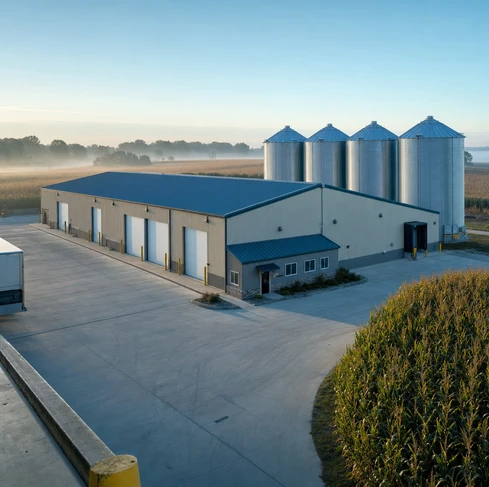
Reliable Cooperative Pig Feed Pelleting Solutions
Background: To drive the development of modern animal husbandry, a large-scale agricultural and livestock cooperative in Tanzania purchased our pig feed pelletizer to achieve self-sufficiency in feed production.
- Model: SZLH320
- Capacity: 3-4t/h
- Pellet Diameter: 3mm; 5mm; 6mm (suitable for pigs at different growth stages)
Customized Solutions
Tailoring highly efficient production solutions for farms and feed mills of varying scales.
Small-Scale Farm Solution
Entry-level production equipment requires an investment of only a few thousand dollars, entailing low initial capital costs. Equipped with compact pellet mills, hammer mills, mixers, and semi-automatic packaging units, the system is easy to operate and requires minimal labor, thereby effectively reducing external procurement costs.


Medium-Scale Commercial Feed Mill Solution
By utilizing SZLH ring-die pellet mills and automated batching and mixing systems-integrated with conditioners and cooling/screening units-this configuration strikes an optimal balance between operational expenditure and economic return.
Large-Scale Industrial Feed Production Line
Configured with high-capacity ring-die pellet mills, fully automated batching systems, and multi-layer conditioners, this setup encompasses the entire production workflow-including cooling, crushing, grading, and packaging-leading to a significant reduction in labor costs.
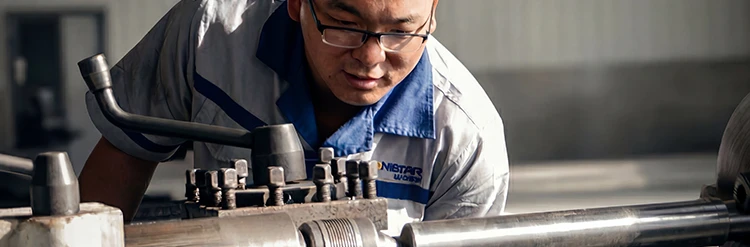
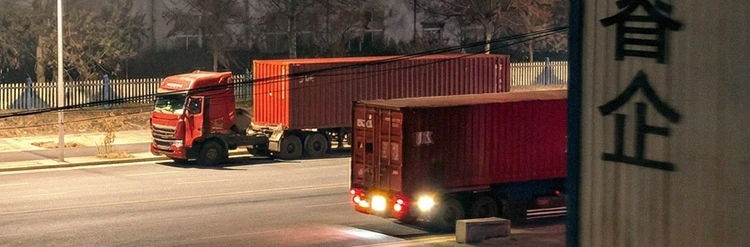
Intelligent Turnkey Feed Mill Project Solution
Through customized facility layouts and production optimization, we provide a comprehensive, one-stop solution spanning from initial design to daily operations. This approach maximizes operational efficiency and minimizes long-term costs, thereby facilitating a rapid return on investment.

About RICHI Machinery
Based in China and serving global markets, RICHI Machinery is a global manufacturer and engineering service provider specializing in pellet production equipment and complete processing systems. From feed, biomass, and organic fertilizer to cat litter and agricultural waste recycling, we help customers build efficient, reliable, and scalable production solutions tailored to their raw materials, capacity requirements, and market goals. With projects delivered across multiple industries and countries, our focus is always on practical performance, long-term operation, and customer success.
Advanced Engineering & Intelligent Manufacturing
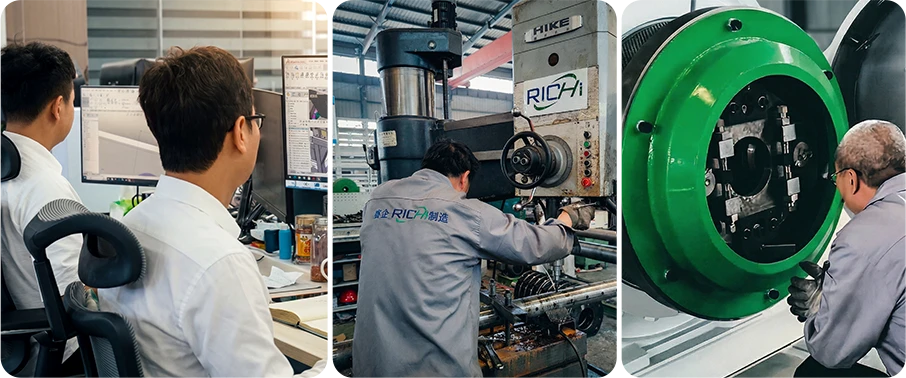
Driven by technology and manufacturing expertise, RICHI integrates process engineering, equipment R&D, intelligent manufacturing, and project delivery into one complete service system. Our modern production facilities, precision machining capabilities, and experienced technical team allow us to provide customized equipment, complete plant design, automation integration, installation guidance, and ongoing technical support. From single machines to fully integrated production lines, we deliver solutions designed for stability, efficiency, and sustainable production growth.
Frequently Asked Questions
Is the equipment prone to breakdowns? How long do the wear parts last?
The complete machine operates stably and features a low failure rate. The primary wear parts are the ring die and pressure rollers; we utilize wear-resistant alloy materials for these components, allowing them to function for thousands of hours under normal operating conditions. Replacement is simple and cost-effective.
Can this machine process raw materials such as bean dregs, distiller’s grains, or wheat bran?
Yes, it can. We have optimized the conditioning and pressure roller systems of this pig feed pellet mill specifically to handle raw materials with high moisture and high fiber content. It can stably pelletize materials such as bean dregs, distiller’s grains, wheat bran, and potato dregs without easily clogging the machine.
Can a novice operator use this equipment? Is a dedicated maintenance specialist required?
The equipment is simple to operate, featuring variable frequency control and one-touch startup; an ordinary worker can master its operation within 1-2 days. Routine maintenance involves only lubrication and cleaning out residual material, so a professional repair technician is not required.
Does the pelletizing process degrade the nutritional value of the feed?
No, it does not. The conditioning temperature is maintained within a range of 70-85°C. This process effectively sterilizes the feed and promotes gelatinization (cooking), thereby improving digestibility, without destroying essential nutrients such as vitamins. In fact, this process actually enhances nutrient absorption for the pigs.
What is the price of your company’s pig feed pellet mill? Do you have a price list?
The price of the equipment varies depending on the specific model, production capacity, and configuration. We offer tailored solutions ranging from a single standalone machine to a complete feed production line. If you provide us with details regarding the scale of your farming operation and your daily production requirements, we can provide you with an accurate quotation and a suitable solution.
Is the equipment noisy during operation? Are there any specific requirements for the installation site environment?
The entire machine has undergone noise-reduction optimization; consequently, operating noise levels are low and comply with standard workshop production regulations. The only site requirements are a level floor and a stable power supply; there are no strict requirements regarding the height of the facility or the floor’s load-bearing capacity.


