

Floating Fish Feed Production Line
The floating fish feed production line adopts advanced extrusion technology, which can stably produce high-quality, long-lasting floating fish feed, and is widely used in the processing of floating feed for aquatic animals such as tilapia and catfish.
Floating Fish Feed Production Line Process
The floating fish feed production line is an automated production system that processes various grains, fishmeal, vegetable oils, and other raw materials into aquatic feed pellets with good buoyancy, water stability, and nutritional value. The entire production line mainly includes cleaning, crushing, mixing, extrusion, drying, spraying, cooling, screening, and packaging, enabling continuous and highly efficient production.


Cleaning Section
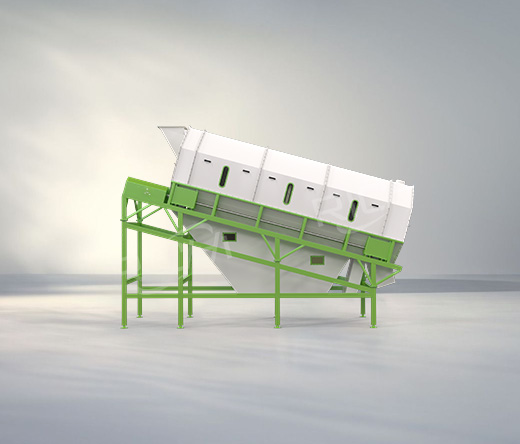
This is the first step in producing floating fish feed. Before the raw materials are crushed, cleaning equipment is needed to remove impurities such as iron filings and stones to ensure the quality of the feed.

Crushing Section
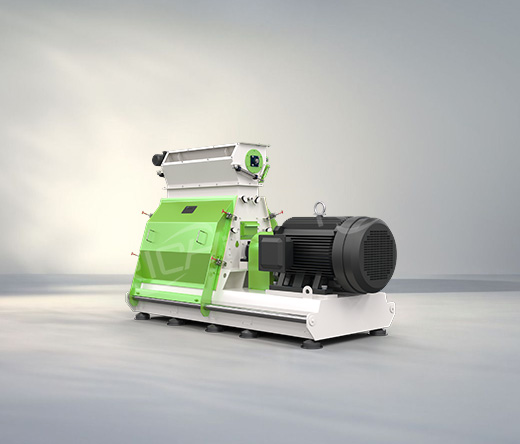
After cleaning, the raw materials are pulverized to 8-120 meshes by a water-drop type hammer mill to facilitate subsequent uniform granulation.
Mixing Section
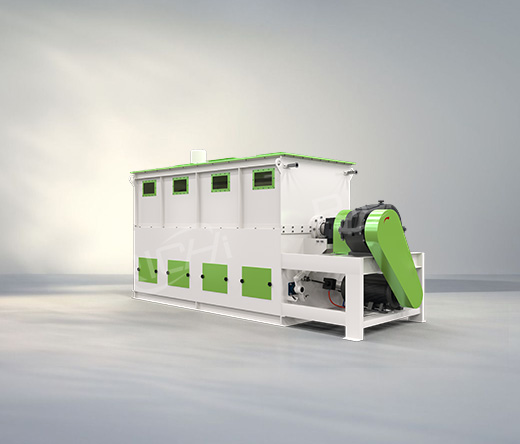
After the material is crushed, it will enter the mixer, where it will be fully mixed with additives and other ingredients under the high-speed rotation of the machine, resulting in a more balanced nutrition.
Extruding Section
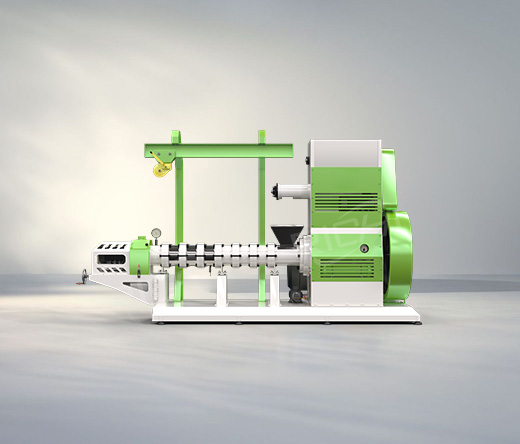
The mixed materials are subjected to high temperature and high pressure puffing by an extruder to enhance the starch’s maturity and gelatinization, and to form uniform porous particles, thereby improving the feed’s buoyancy, digestibility, and stability in water.
Drying Section
Extruded feed has a high moisture content(20%), which affects its buoyancy and water resistance. Therefore, it must be dried using a box-type circulating dryer. This not only improves the stability of the pellet structure, enhances buoyancy and water resistance, but also ensures that the finished feed is of uniform quality, less prone to breakage, and facilitates smooth operation of subsequent production processes.
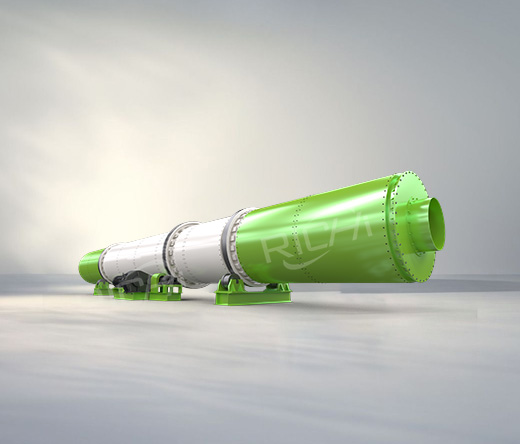
Spraying Section
After the material is dried, a spraying machine is used to spray oil, attractants and other substances onto the surface of the material to seal the pores of the particles, enhance the water resistance of the feed, reduce the dispersion in water, and improve palatability to attract fish to feed.
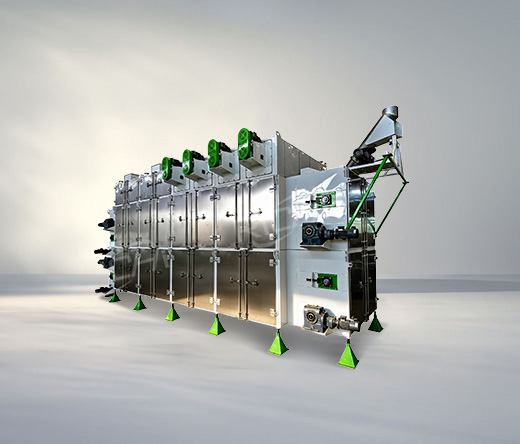
Cooling Section
Next, cooling equipment is used to cool the high-temperature material after spraying, further improving the stability of the material structure and facilitating subsequent packaging.
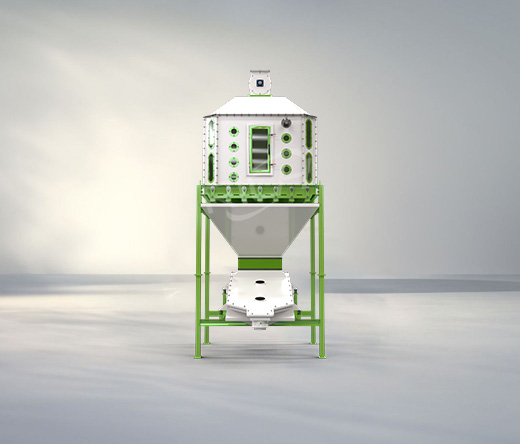
Screening & Packaging Section
The cooled material inevitably contains waste such as broken pieces and powder. To improve the overall quality of the feed, non-compliant materials are screened out by screening equipment such as rotary grading screens.After the above processing steps, we come to the final step-the packaging of materials, which involves using a fully automatic packing scale to pack and bag the materials.
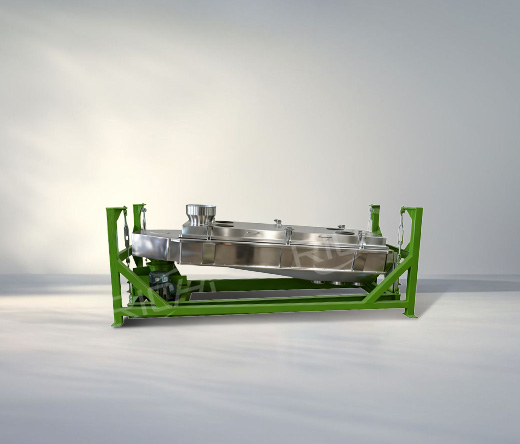
Application Fields
Currently,our floating fish feed production line has been widely used worldwide and has a promising market prospect.
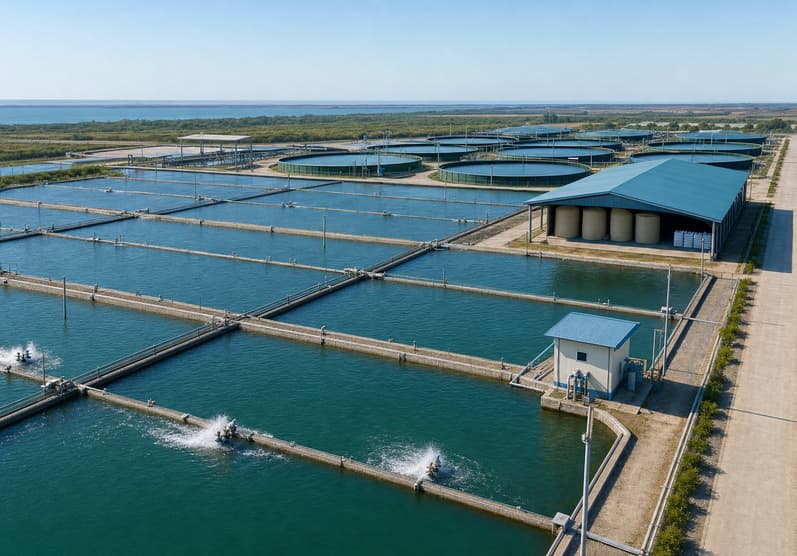
Large-Scale Fish Farms
Our floating fish feed production line is custom-designed to produce highly stable floating feed, thereby effectively minimizing feed waste and water pollution. It is widely utilized for the cultivation of various fish species, including tilapia, grass carp, and catfish. Furthermore, by incorporating advanced extrusion technology, we have enhanced both the palatability and nutrient absorption rate of the feed, ensuring that your fish thrive and grow robustly.
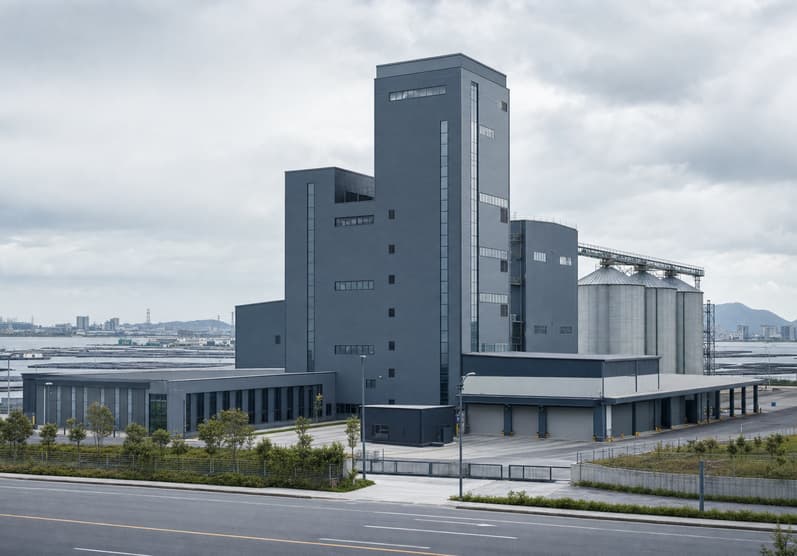
Floating Fish Feed Production Plants
For floating fish feed manufacturers, consistent product quality and efficient production capacity are at the core of market competitiveness. Our feed production line encompasses the entire manufacturing process, operating on a fully automated basis to significantly boost production efficiency. Furthermore, the equipment supports the flexible adjustment of various formulations, enabling the production of pellets with uniform length and extended floating duration-thereby helping you enhance your market competitiveness.
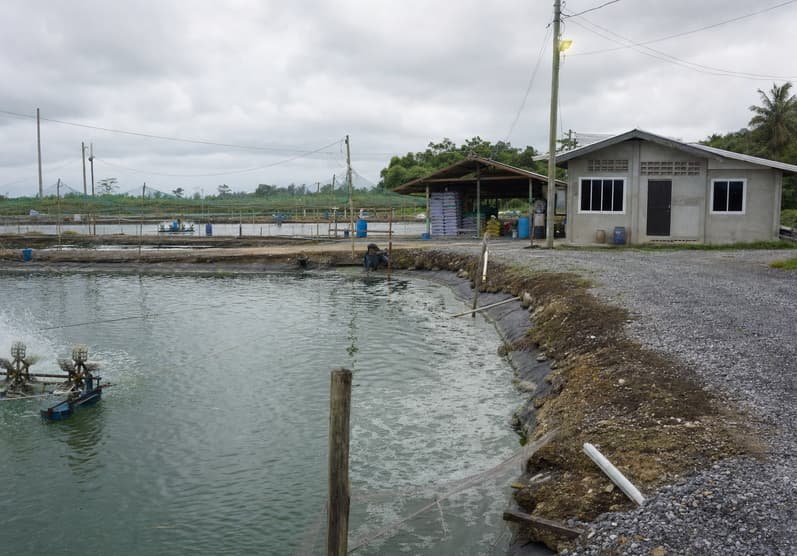
Fish Farming Cooperatives
Our floating fish feed production line enables you to achieve unified feed production. By centralizing raw material procurement and conducting in-house manufacturing, we can guarantee consistent feed quality-thereby alleviating concerns among members-while simultaneously reducing their aquaculture costs and driving the cooperative toward standardized, large-scale development.
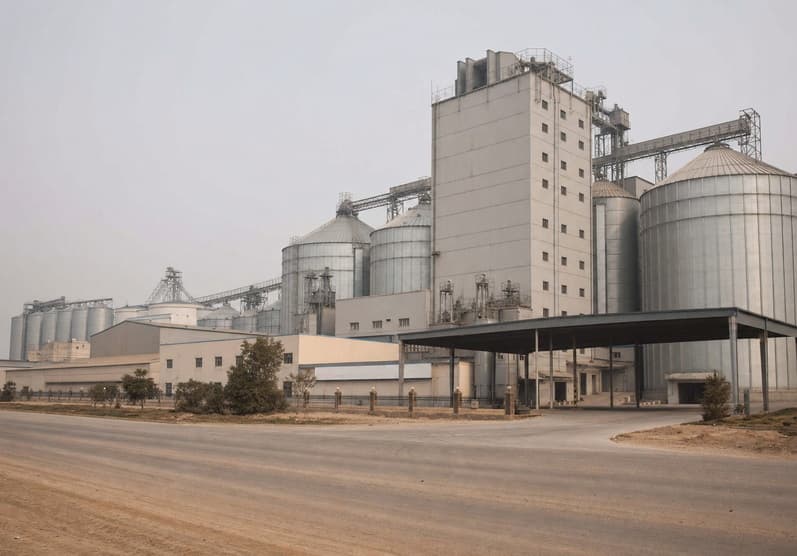
Livestock and Poultry Farms
n recent years, the aquaculture industry has experienced rapid growth and offers promising market prospects. If you are looking to integrate fish farming into your existing livestock and poultry operations, our floating fish feed production line is your ideal choice; it enables you to produce feed pellets that meet your exact specifications, thereby allowing you to successfully establish a diversified farming model.
Finished Pellets Display
This section will show you the pellets produced by our floating fish feed production line.
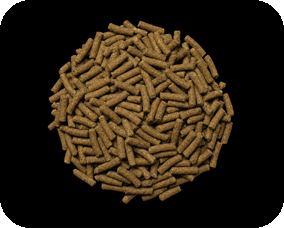
Carp Floating Feed
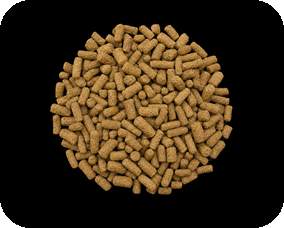
Tilapia Floating Feed
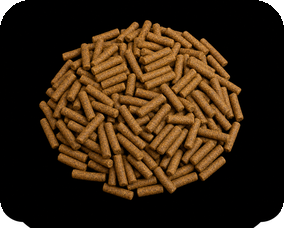
Bass Floating Feed
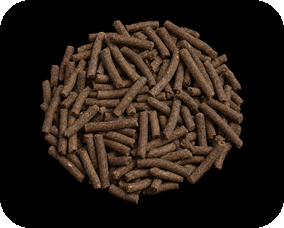
Catfish Floating Feed
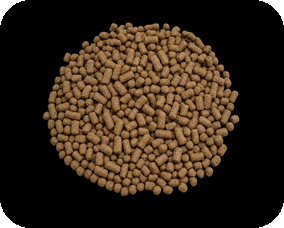
Crucian Carp Floating Feed
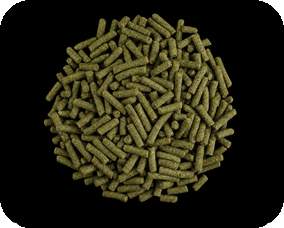
Grass Carp Floating Feed
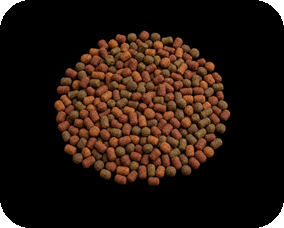
Ornamental Fish Floating Feed
Raw Materials Display
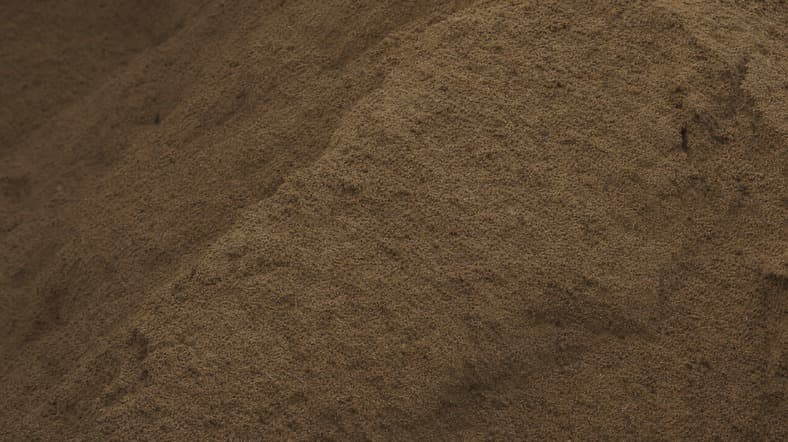
The raw materials used in the floating fish feed production line are as follows.
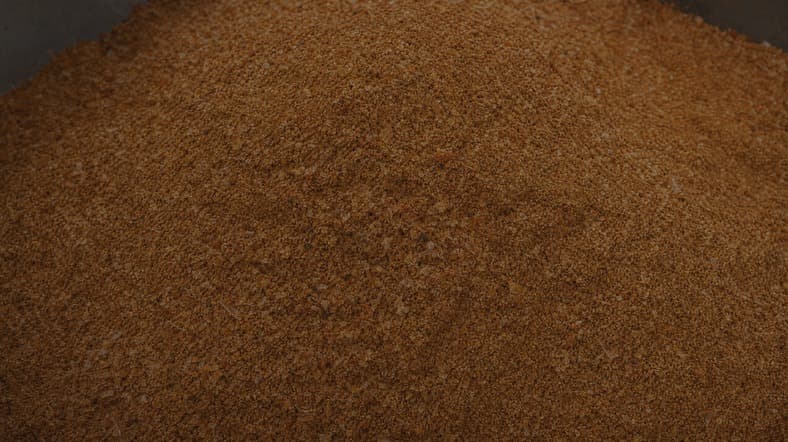
Fish Meal
High in protein, with a balanced amino acid profile, it is easily digested and absorbed, providing fish with the high-quality protein needed for growth and enhancing their immunity.
Shrimp Head Meal
Rich in protein, chitin, and various minerals, it has a delicious and savory flavor, which can significantly enhance the palatability of feed and attract fish to eat it.
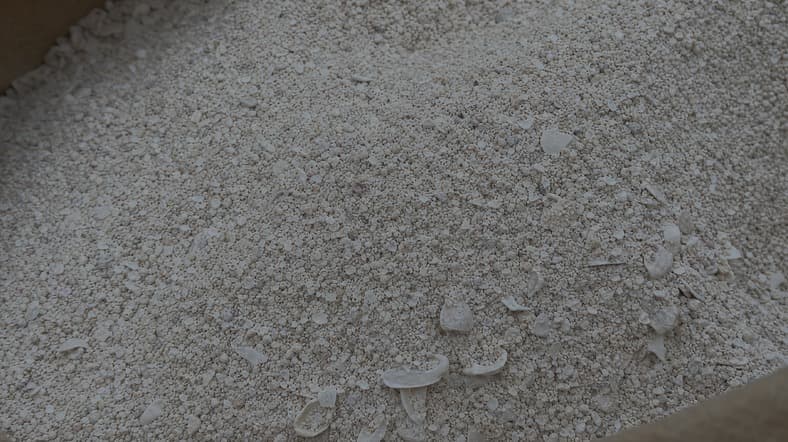
Sea Shell Meal
Rich in minerals such as calcium carbonate, phosphorus, and magnesium, it can supplement the trace elements needed for fish growth, strengthen bone development, and improve their survival rate.
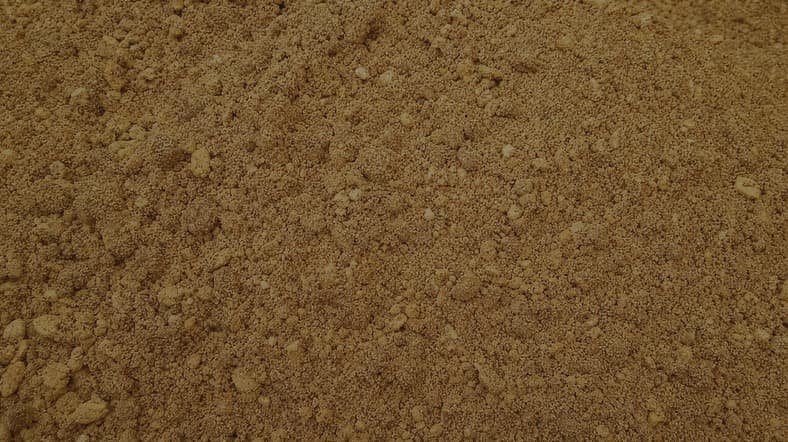
Peanut Meal
High-quality plant protein raw materials are high in protein, have a delicate taste, are easily digestible, and can replace part of animal protein, reducing feed production costs.
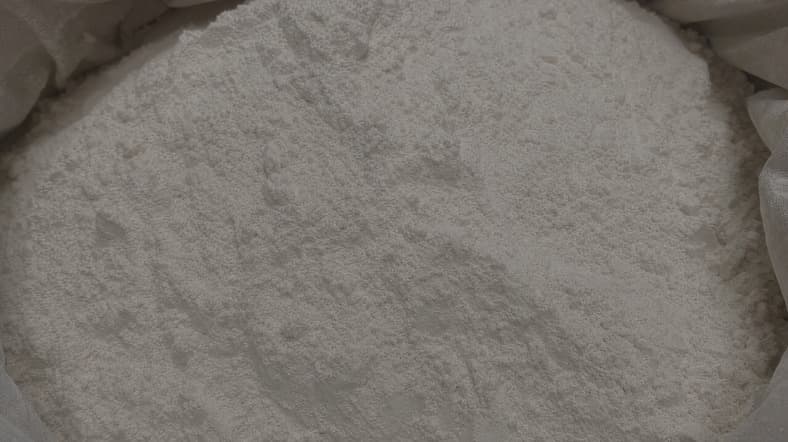
Flour
Rich in starch, it has good binding properties, effectively preventing pellet breakage, improving feed water resistance, and providing fish with easily digestible carbohydrates to supplement the energy needed for growth.
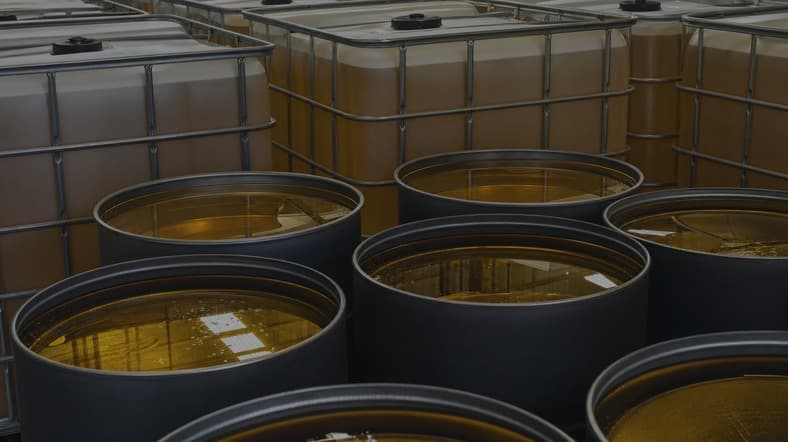
Vegetable Oil
Rich in unsaturated fatty acids, it provides fish with ample energy, aiding in fattening and weight gain, while also improving feed palatability and increasing feed intake rates in fish and shrimp.
Complete Projects
This production line specializes in the manufacturing of floating fish feed,and we have successfully delivered turnkey projects to numerous clients. The following section presents specific case studies.
●Russia
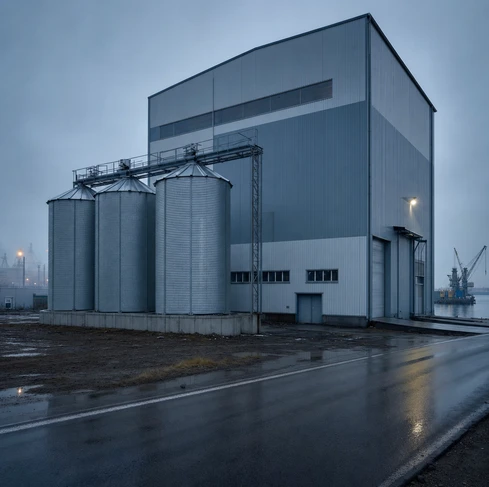
5t/h Floating and Sinking Fish Feed Turnkey Project
We provide customized, fully automated fish feed production line for our clients, delivered as turnkey projects. These lines can reliably produce both floating and sinking fish feed pellets.
- Output : 5t/h
- Pellet diameter : 0.5-8mm
●Zbekistan
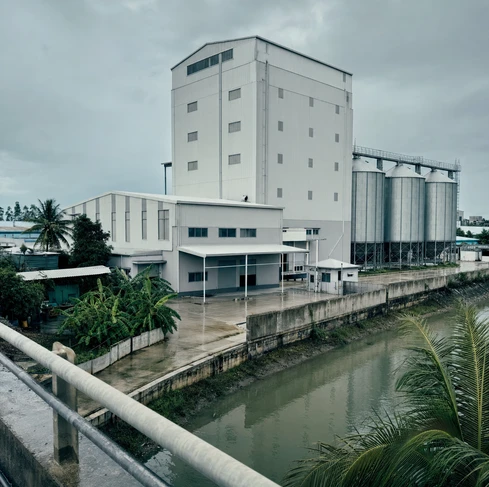
1-2t/h Floating Fish Feed Combined Production Line
We provided a customized feed combined production line for our clients, equipped with a 90kW floating fish feed extruder, capable of simultaneously producing floating fish feed and chicken feed pellets.
- Output : 1-2t/h
- Power : 90kw(extruder)+ 22kw(chicken feed pellet mill)
- Pellet diameter : 3.5mm
●Nigeria
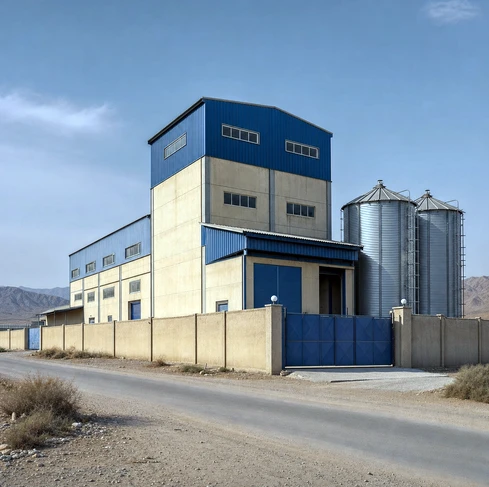
100-150kg/h Small Floating Fish Feed Production Line
A client ordered a small floating fish feed production line, but after delivery, the feed failed to float due to an improper formula. Our engineers provided remote technical support to help the client solve the problem.
- Output : 100-150kg/h
- Power : 50.74kw
- Pellet diameter : 3-6mm
●Côte d’Ivoire
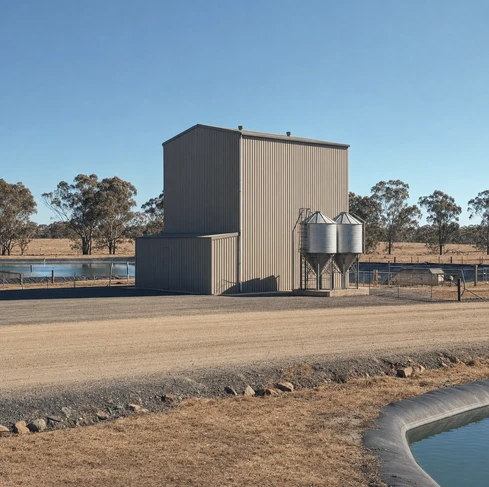
300-400 kg/h Floating Fish Feed Production Line
The customer purchased a floating fish feed production line, installed it themselves after delivery, and completed production within 15 days. They also encountered the problem of feed floating, which was successfully resolved with remote guidance from engineers.
- Output : 300-400t/h
- Power : 90kw
- Pellet diameter : 2-12mm

About RICHI Machinery
Based in China and serving global markets, RICHI Machinery is a global manufacturer and engineering service provider specializing in pellet production equipment and complete processing systems. From feed, biomass, and organic fertilizer to cat litter and agricultural waste recycling, we help customers build efficient, reliable, and scalable production solutions tailored to their raw materials, capacity requirements, and market goals. With projects delivered across multiple industries and countries, our focus is always on practical performance, long-term operation, and customer success.
Advanced Engineering & Intelligent Manufacturing
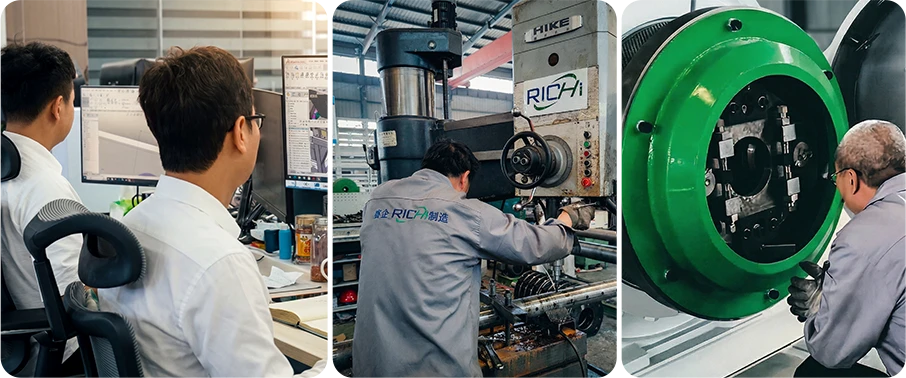
Driven by technology and manufacturing expertise, RICHI integrates process engineering, equipment R&D, intelligent manufacturing, and project delivery into one complete service system. Our modern production facilities, precision machining capabilities, and experienced technical team allow us to provide customized equipment, complete plant design, automation integration, installation guidance, and ongoing technical support. From single machines to fully integrated production lines, we deliver solutions designed for stability, efficiency, and sustainable production growth.
Frequently Asked Questions
Machinery provides everything from animal feed pellet machines, biomass pellet machines to aquaculture extruders to ensure high-quality pellet production efficiency.
Why not use a feed pellet mill to produce floating fish feed?
Feed pellet mills primarily use mechanical pressing technology, which struggles to generate sufficient temperature and pressure to fully gelatinize starch. Therefore, the resulting pellets typically sink in water. Using a fish feed extruder, however, produces highly stable floating fish feed.
What is the capacity of your floating fish feed production line?
We can provide floating fish feed production lines ranging from 1 ton/hour to 60 tons/hour, depending on your needs, factory size, and feed formulation.
What is the price of your floating fish feed production line?
The price depends on your needs, capacity, level of automation, and equipment configuration. For example, a 1.5-2 T/H production line costs $60,000-$90,000, while a 5 T/H production line costs $180,000-$280,000.
What raw materials can be used to produce floating fish feed?
A wide range of raw materials can be used, including corn, soybean meal, fish meal, wheat flour, rice bran, vitamin, vegetable oil, and soybean lecithin.
Can this production line only produce one type of floating fish feed?
No. By adjusting the formula and changing the molds, this production line can produce feed of different particle sizes and types, suitable for tilapia, catfish, ornamental fish, and other aquatic fish.
Do you provide installation and technical support?
Absolutely. We provide turnkey projects, including factory layout design, equipment installation, commissioning, operator training, and long-term after-sales technical support, offering you a one-stop service that is worry-free and convenient.


