

Organic Fertilizer Pellet Line
Types of Organic Fertilizer Pellet Line
Different raw materials need different line configurations. Some materials are too wet, some too hard, and some easily block the machine. Below we explain the four most common raw material types.

Poultry & Livestock Manure Line
Main raw materials: chicken manure, pig manure, cow manure, sheep manure. Fresh manure moisture often exceeds 80%. Before fermentation, a solid‑liquid separator lowers the moisture. For farms that build their own line, this solves the waste disposal problem and also creates income.

Crop Straw Line
Raw materials include corn straw, wheat straw, rice straw, etc. Long straw must first be cut into 3–5 cm sections by a chopper, then ground. During fermentation, you need to add some urea or mix in chicken manure to balance the carbon‑nitrogen ratio.
Industrial By‑product Line
This includes distiller’s grains, vinegar residue, medicinal herb residue, mushroom residue, soybean meal, etc. These materials are often wet and sticky, and easily cause blockages. The line includes press filter equipment, plus anti‑blocking design in the grinding and mixing sections. Suitable for food factories, pharmaceutical plants, etc.
Urban Organic Waste Line
This covers municipal sludge, kitchen waste, landscaping trimmings, etc. These wastes often contain plastic bags, broken glass, metal pieces. They must first go through impurity removal and crushing. Kitchen waste also needs separate oil‑water separation. To meet environmental requirements on odor control, the line includes an exhaust gas treatment system.
Complete Organic Fertilizer Line Process
Raw Material Pretreatment
Different materials need different treatment. For example, long straw is cut short. Wet fresh manure is dewatered first. Then remove stones, iron pieces, plastics and other impurities.
Fermentation and Composting
This can be done in open piles or in fermentation trenches. Different raw materials need different fermentation times. You adjust based on actual conditions.
Crushing
Sometimes fermented material forms lumps. What to do? Use a crusher to break them apart. This prepares the material for the next step.
Batching and Mixing
Weigh different ingredients according to the formula. You can add nutrients or minerals. Then mix everything together in a mixer. By the way, if you only want to make powder fertilizer, you can skip pelletizing and go straight to packing after this step.
Pelletizing
The powder goes into a ring die pellet mill. The ring die and rollers press the powder into cylindrical sticks. A cutter cuts them into uniform length.
Drying and Cooling
Fresh pellets come out at about 80°C and with high moisture. First a rotary dryer lowers moisture to 10%–15%. Then a counterflow cooler brings the temperature down to room level. If you already controlled moisture well during fermentation, you can skip this step.
Sieving and Packing
Cooled pellets go through a vibrating screener. Good pellets are separated and go to an automatic packing scale for weighing and bagging. This completes the whole organic fertilizer pellet line.
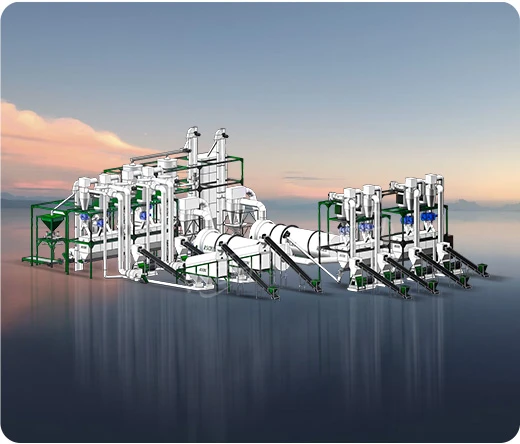
Global Cases of Organic Fertilizer Pellet Line
No two organic fertilizer lines are exactly the same. RICHI insists on custom design. Clients in different countries and regions, with different raw materials and capacity needs – every solution is unique and best fits their real situation.
●USA
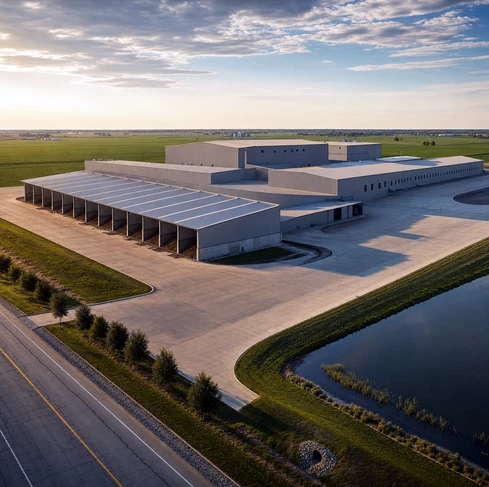
Cow Manure & Straw Fertilizer Production Line Project
Cow manure has high moisture and straw has long fibers. We used high‑frequency turning to speed up moisture evaporation. A rubbing machine was added, and the compression ratio was adjusted to better handle straw. The line is highly automated. Only 6–7 people are needed to operate it.
- Customer output : 15 t/h
- Raw materials : cow manure, corn straw
●India
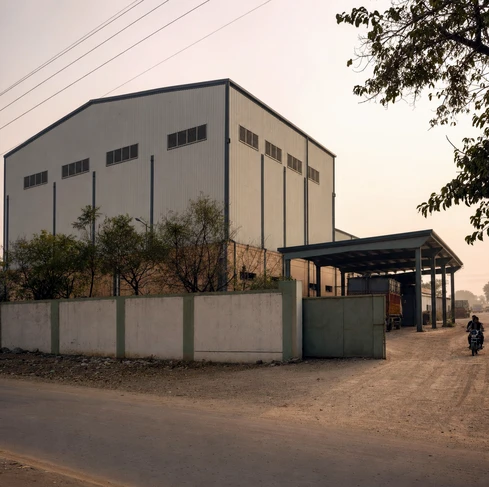
Buffalo Manure & Rice Husk Fertilizer Production Line Project
Local temperatures are high, so fermentation is fast. But the rainy season brings high humidity – a real challenge. We designed a compact line for them. The fermentation trench was covered to keep rain out. The drying section was given extra power.
- Customer output : 5 t/h
- Raw materials : buffalo manure, rice husk
●France
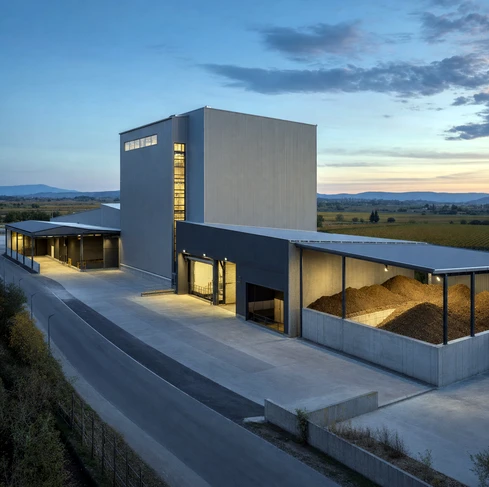
Mixed Manure Fertilizer Production Line Project
The client’s area has high livestock density. There is pig manure, dairy cow manure, poultry manure, and also wheat straw. Based on the mixed manure characteristics, we adjusted the fermentation formula and turning frequency. This ensures stable output even with different batches of raw material.
- Customer output : 8 t/h
- Raw materials : dairy manure, pig manure, wheat straw
●Thailand
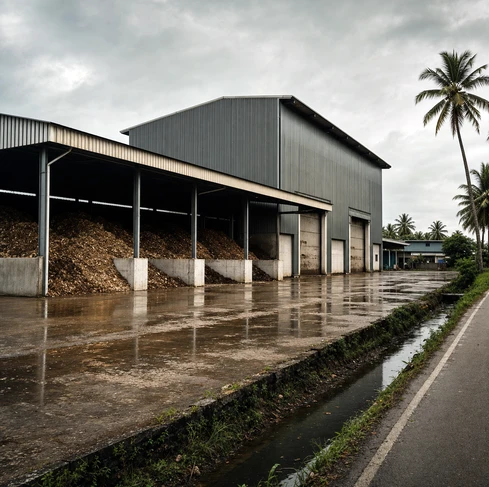
Cassava Peel & Sludge Fertilizer Production Line Project
Raw material moisture was as high as 80%. We supplied dewatering equipment and a drying system. First lower the moisture to a suitable level for fermentation, then pelletize. The whole line uses corrosion‑resistant treatment for high‑moisture materials.
- Customer output : 10 t/h
- Raw materials : cassava peel, starch sludge

About RICHI Machinery
Based in China and serving global markets, RICHI Machinery is a global manufacturer and engineering service provider specializing in pellet production equipment and complete processing systems. From feed, biomass, and organic fertilizer to cat litter and agricultural waste recycling, we help customers build efficient, reliable, and scalable production solutions tailored to their raw materials, capacity requirements, and market goals. With projects delivered across multiple industries and countries, our focus is always on practical performance, long-term operation, and customer success.
Advanced Engineering & Intelligent Manufacturing
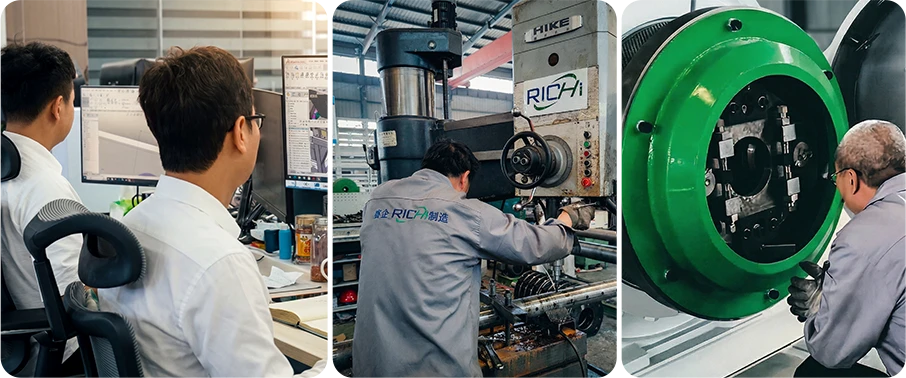
Driven by technology and manufacturing expertise, RICHI integrates process engineering, equipment R&D, intelligent manufacturing, and project delivery into one complete service system. Our modern production facilities, precision machining capabilities, and experienced technical team allow us to provide customized equipment, complete plant design, automation integration, installation guidance, and ongoing technical support. From single machines to fully integrated production lines, we deliver solutions designed for stability, efficiency, and sustainable production growth.
Frequently Asked Questions
Knowing the answers to these common questions may help you start your own organic fertilizer line.
What raw materials can be made into organic fertilizer pellets?
Most organic waste can be pelletized. Manure, straw, distiller’s grains, medicinal residue, kitchen waste, sludge. How to judge? Two points: first, has fermentation matured properly? Second, is moisture around 30%–40%? Our solution includes a complete fermentation section. Tell us what materials you have, and we will help you decide.
Should I make powder or pellets? How to decide?
It depends on who your customers are. Pellet products are easier to store and transport, and sell at higher prices. They are good for export or supplying large farms. Powder lines require less investment and have shorter process flow. They are good for local sales or testing the market first. Many customers start with a powder line, then add pelletizing equipment later to upgrade. We offer both solutions.
How much does it cost to build a line?
It depends on product form (powder or pellets), capacity, automation level, etc.
A small powder line costs about 21,000–48,000 USD. Annual output is about 5,000 tons. For a pellet line, you add a pellet mill, dryer and cooler, which needs about $21,000 USD extra.
If you want a more specific quote, send us your project capacity and other details. We will give you a detailed price list.
How many days does fermentation take?
Usually 15 to 25 days. Chicken and pig manure take less time. Straw fibers take longer. Using a trench turner speeds up the process. With a high‑temperature fermentation tank, the cycle can be shortened to 7–9 days.
How much factory space is needed?
The larger the capacity, the more space needed.
For a 5,000‑ton pellet line, the main workshop area is recommended to be 200–300 square meters (not including finished product storage).
If your workshop dimensions are limited, we can do a compact layout. Send us your workshop length, width and height. We will make drawings.
How long does installation and commissioning take? Will you send people?
A small to medium line takes about 15–30 days from start of installation to production. We can send engineers to your site. They will guide installation, do commissioning and provide training. Training usually takes 2–3 days, until your people can run the line independently.


