

Turnkey Service
Service Process
From project evaluation to production startup, RICHI provides one-stop turnkey services. Every step follows standardized management. This ensures your feed plant is delivered on time, to quality, and within budget.



Critical Stages
Between the many steps of a turnkey project, there are natural responsibility gaps. RICHI is happy to fill these gaps proactively. That makes our cooperation smoother.
NUMBER ONE
Custom Design
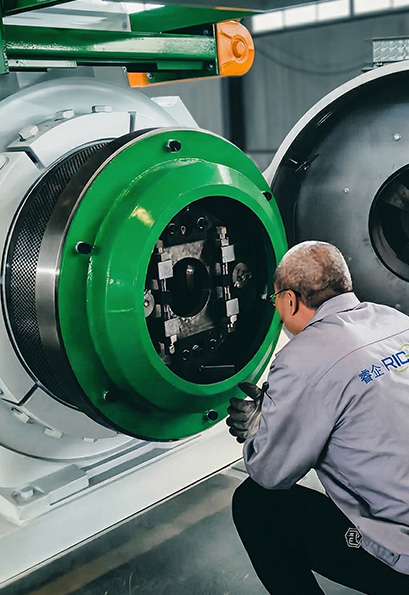
RICHI engineers start from your raw material characteristics, expected capacity, plant space, and local climate. They design a differentiated, custom process solution.
All flow charts, 3D layout drawings, and equipment selection lists are confirmed with you step by step before manufacturing starts. This avoids on-site changes later.
NUMBER TWO
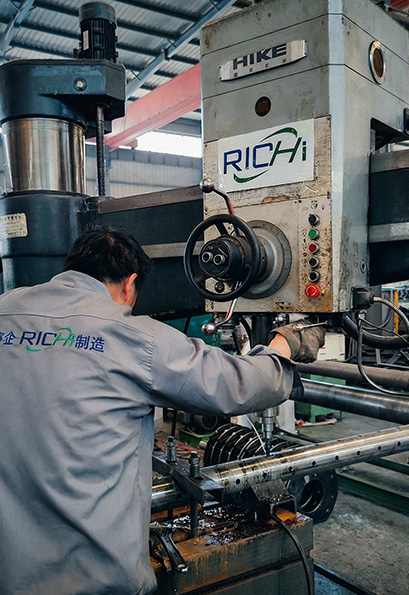
Pre-Shipment Assembly
Key equipment sections are pre-assembled and checked in the factory before shipment. After passing inspection, we disassemble them into standard modules according to installation logic. We use reinforced packaging. Each module gets a unique code matching the installation drawings.
We provide export customs clearance and full tracking. What arrives on site? A modular system ready for assembly by the drawings. This protects equipment integrity and shortens on-site installation time.
NUMBER THREE
On-Site Coordination
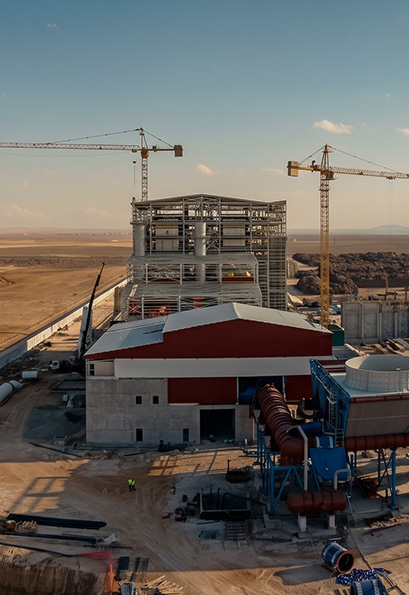
RICHI’s project manager arrives on site early. They work with your local construction team. Together they check the centerline of embedded parts, confirm power capacity, and inspect for conflicts in the ductwork layout.
The on-site team uses professional instruments to verify installation reference points. This ensures equipment is lifted into place correctly and fits the foundation precisely. No delays from errors.
NUMBER FOUR
Material Acceptance Test
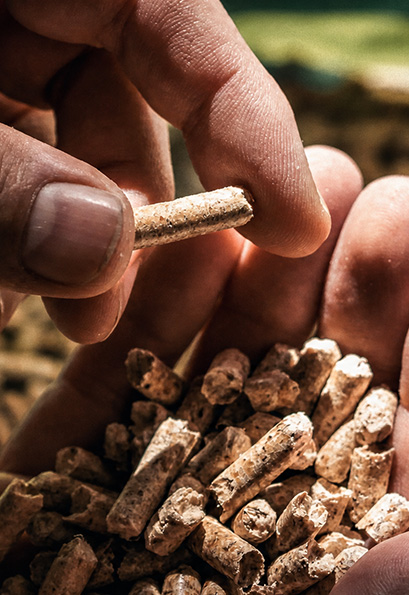
After power is connected, we run a full-line test using your actual formula. We record operating current, temperature, output, and pellet durability online for each section. The line ramps up from 80% of rated capacity to 100% and runs steadily.
Project acceptance is based on a production report signed by both parties. The core indicators? Continuous, stable, and up to standard.
Long-Term Value
Most of a feed plant’s costs happen after production starts. When choosing a supplier, you are not just choosing a one-time delivery. You are choosing your operating budget for the next ten years.
Technical Asset Delivery
When we hand over the physical keys, you also receive a complete set of digital technical files. These include equipment BOM lists, key parameter settings, historical commissioning data, and maintenance points.
Need to expand or upgrade later? This file set allows any new team to quickly understand all critical information. No need to rely on memory to trace original data. This provides a technical basis for continuous optimization throughout the plant’s life.
Comprehensive Training
Turnkey also means transferring capability. We design separate training content for operators, maintenance supervisors, and plant managers.
Operators learn standard procedures and how to spot abnormalities. Maintenance supervisors learn equipment inspection and scheduled upkeep. Plant managers receive an operations report covering energy consumption and efficiency analysis. Our goal? After the RICHI team leaves, your people can run the line independently and make professional judgments.
Upgrade Partner
When market demand changes, you don’t need to rebuild your plant. For example, moving from animal feed to premium aquafeed, or increasing capacity by 30%. RICHI can make targeted modifications to the conditioning system, ring die, and screening sections.
Our engineers analyze your existing operating data. Then they design an upgrade route with the shortest downtime and highest return. We become your long-term process upgrade advisor.
Global Project
The complexity of building a plant overseas is that plans on paper must survive local climate, material differences, and construction conditions. Below are delivery examples from different countries. Each project faced unique constraints. Each one passed acceptance after reaching target production.
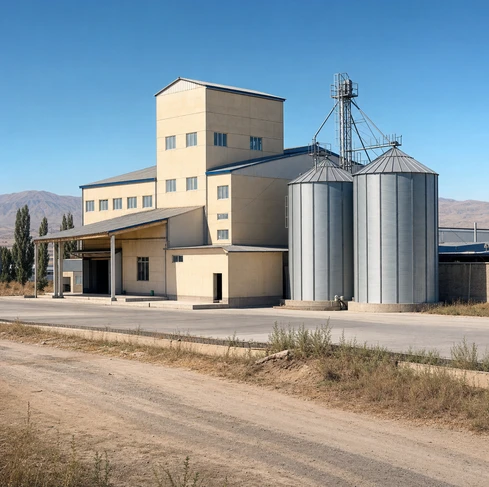
Cattle and Sheep Feed Plant In Uzbekistan
The customer had large amounts of cottonseed meal and alfalfa but could not use them efficiently. We designed a dedicated grass meal pelletizer for them. This solved the clogging problem of high-fiber materials.
Capacity : 5–7 t/h
Materials : cottonseed meal, alfalfa, corn flour
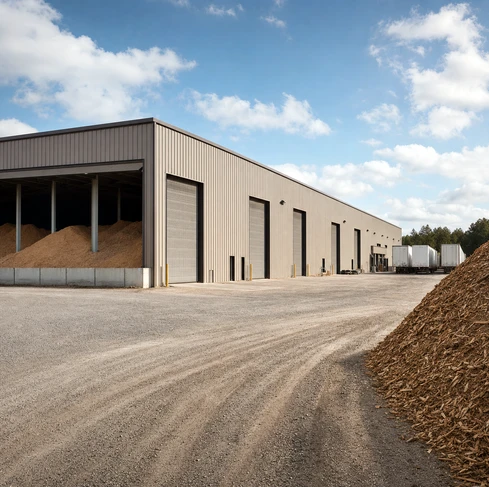
Wood Shavings Pellet Line In the USA
Fine materials like sawdust and bark tend to create too much dust in the cooling section. For this customer, we designed a multi-channel dryer and an automated packing line.
Capacity : 5–6 t/h
Materials : sawdust, bark, forestry waste
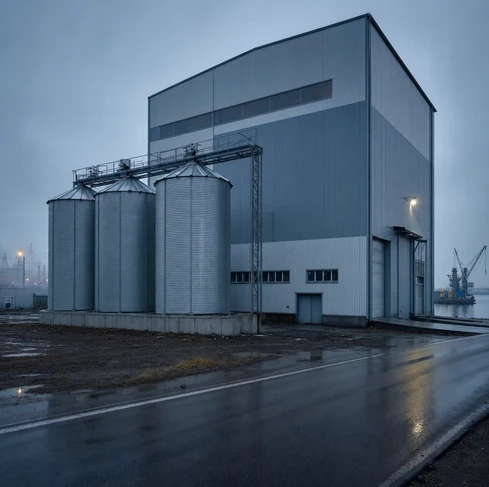
Sinking Fish Feed Plant in Russia
RICHI engineers found on site that pipes could freeze and crack after winter shutdown. So we added insulation to key parts of the line. We also adjusted the compression ratio of the ring die pelletizer to ensure pellets are dense, sink quickly in water, and remain stable.
Capacity : 5 t/h
Materials : soybean meal, fish meal, premix
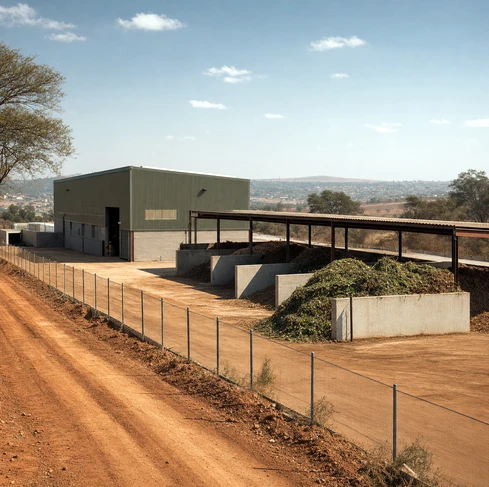
Cattle Manure Pellet Plant In South Africa
The line uses a fermentation tank with high-temperature composting. We added local corn straw to adjust the carbon-to-nitrogen ratio.
Capacity : 5 t/h
Materials : cattle manure, corn straw

About RICHI Machinery
Based in China and serving global markets, RICHI Machinery is a global manufacturer and engineering service provider specializing in pellet production equipment and complete processing systems. From feed, biomass, and organic fertilizer to cat litter and agricultural waste recycling, we help customers build efficient, reliable, and scalable production solutions tailored to their raw materials, capacity requirements, and market goals. With projects delivered across multiple industries and countries, our focus is always on practical performance, long-term operation, and customer success.
Advanced Engineering & Intelligent Manufacturing
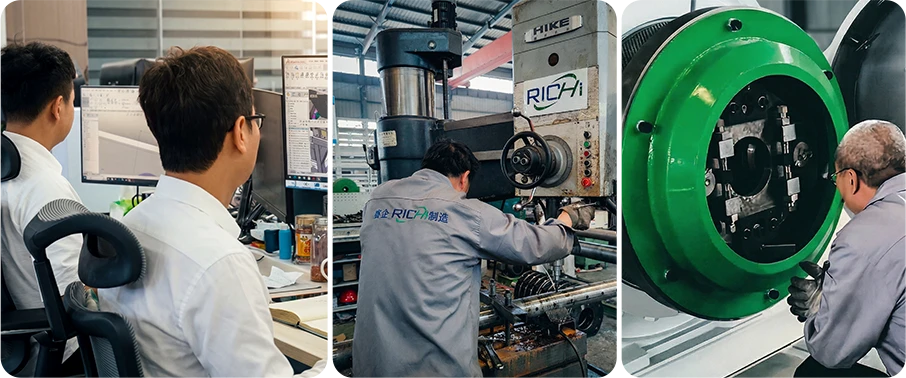
Driven by technology and manufacturing expertise, RICHI integrates process engineering, equipment R&D, intelligent manufacturing, and project delivery into one complete service system. Our modern production facilities, precision machining capabilities, and experienced technical team allow us to provide customized equipment, complete plant design, automation integration, installation guidance, and ongoing technical support. From single machines to fully integrated production lines, we deliver solutions designed for stability, efficiency, and sustainable production growth.
Frequently Asked Questions
After many years of turnkey project service, we find that many customer questions are not about the equipment itself. They focus on practical details during project execution. Below are the six questions we hear most often.
From contract signing to production, how long does a full turnkey project take?
Project duration depends on line size and complexity. For a standard animal feed or biomass pellet line, from design, manufacturing, shipping to installation and commissioning, it usually takes 4 to 8 months. After signing the contract, the project team will make a detailed schedule and update you regularly on key milestones.
During overseas installation, how do your engineers work with the local team? How do you solve language barriers?
RICHI’s installation engineers have extensive overseas experience. They can guide local construction crews to position equipment and connect pipes. On site, we usually have an interpreter or have a team leader with good English. Also, drawings and manuals use international symbols and English labels. This makes sure no ambiguity in technical communication.
We don’t have trained pellet equipment operators locally. How can we ensure normal production?
Before delivery, we send engineers to your site for 2–3 days of hands-on training. Training covers startup/shutdown sequences, process parameter settings, and daily lubrication points. After production starts, you can video call our technical team. In the past year, this approach solved over 90% of daily fault issues for customers in the Middle East and Africa.
After running for a few years, we may need to upgrade or modify the line. Does RICHI take old plant renovation projects?
Yes, we do renovation projects. Whether you need to add new equipment for higher capacity or replace key machines for lower energy use, RICHI engineers first evaluate your existing line layout and operation data. Then they propose a targeted solution.
After the line is built, what are the main daily operating costs?
The main costs come from three areas: raw materials, electricity, and labor. Electricity consumption is the part customers ask about most. During the design phase, our engineers provide an estimated power consumption per ton. This helps you calculate costs before starting production.
Do you have local warehouses? How do we get wear parts and replacement parts when needed?
RICHI has spare parts warehouses in several overseas markets, covering North America, Europe, Southeast Asia, South Asia, the Middle East, and Latin America. Customers can buy original parts directly from local warehouses. Meanwhile, before production starts, we recommend a list of common spare parts for you to stock locally.
In fact, many customers start a new conversation with us because of a spare parts inquiry – after running the line for years and having new needs. Whether it is expansion, renovation, or full-line upgrade, feel free to contact us anytime to discuss what is possible next.


