
Twin-screw Fish Feed Extruder
The RICHI twin-screw fish feed extruder is a highly efficient and versatile piece of aquatic feed production equipment, widely applicable to the production of feed for fish, shrimp, and crabs, as well as pet food (dog and cat food).
Production capacity : 0.5-12t/h
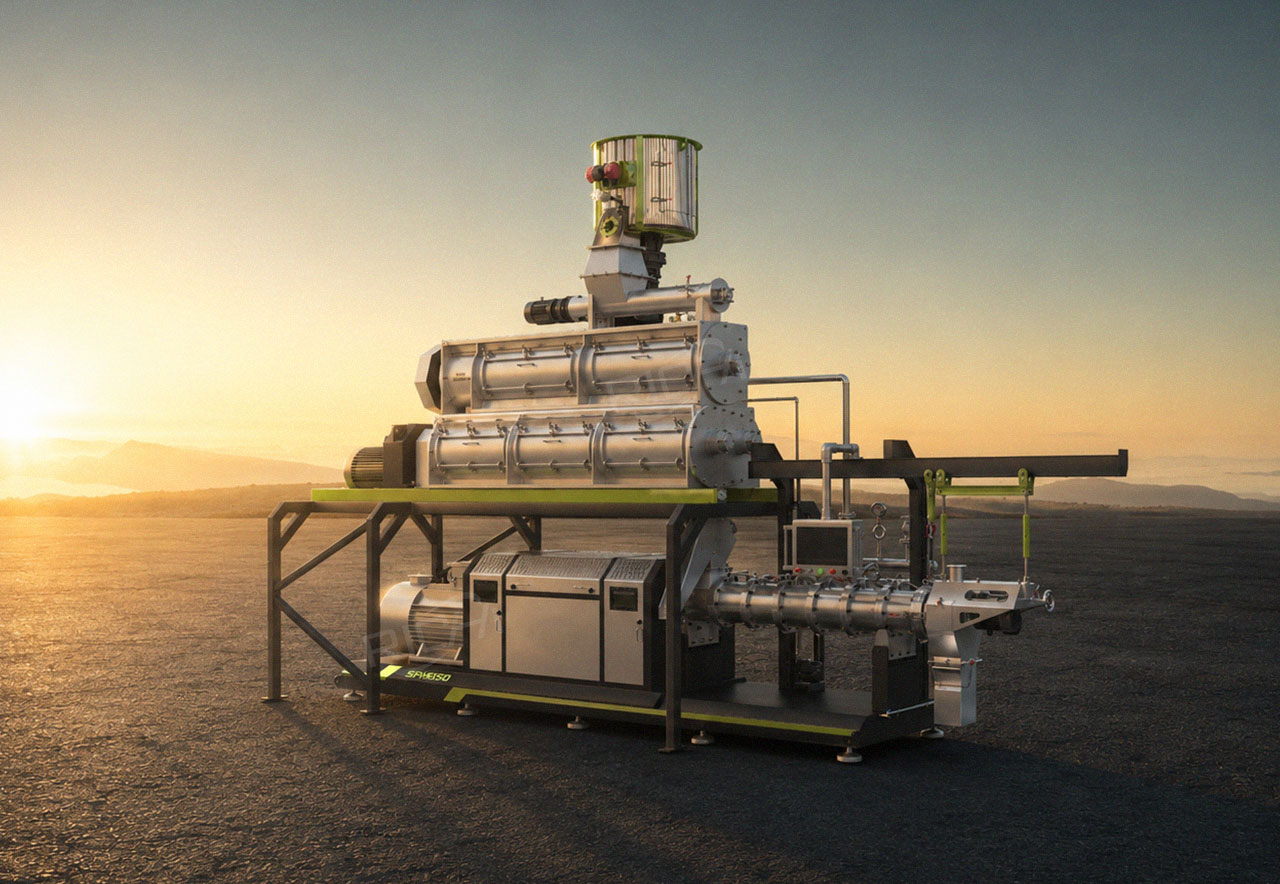
RICHI Twin-screw
Fish Feed Extruder
Since its establishment in 1995, RICHI has focused on feed machinery for 31 years, committed to achieving maximum long-term value with the lowest operating costs.
Product Introduction
The twin-screw fish feed extruder employs two synchronously rotating screws to thoroughly mix, shear, heat, and gelatinize raw materials within the extrusion chamber, ultimately extruding and shaping them through a die. It is capable of processing complex formulations containing high levels of fat (≤15%), high moisture content, and fresh meat slurry.
The twin-screw structure enables the production of floating, slow-sinking, and sinking feed pellets, making it particularly suitable for medium-to-large-scale feed mills and the manufacture of high-value-added specialty aquatic feeds.

Suitable for Fish Consumption
The twin-screw design utilizes high temperature, high pressure, and intense shear forces to ensure the complete gelatinization of starch within the raw materials and a more thorough denaturation of proteins. Consequently, the resulting pellets possess a relatively loose structure; upon contact with water, they gradually soften, thereby facilitating easier consumption by fish.
At the same time, thorough mixing and shearing ensure a high degree of nutritional consistency in every feed pellet, thereby preventing growth disparities caused by uneven feed intake.
Wide Adaptability to Raw Materials
It is capable of stably processing complex raw materials—including those high in fat, moisture, or fiber, and even those containing fresh meat slurry. Since no additional dehydration is required, nutrient loss is prevented, thereby allowing for the effortless production of high-energy feed.
It can handle soybean meal, fish meal, corn, fresh fish paste, etc., which greatly expands the space for feed formulation design and reduces raw material costs.
Consistent Quality
Precise temperature and pressure control ensure that the expansion degree, density, and sinking velocity of every batch of pellets remain highly consistent. The resulting expanded feed pellets can float on the water surface for at least 12 hours without becoming saturated.
The nutritional integrity of the pellets is preserved while effectively minimizing the risk of water pollution. The finished pellets feature a smooth exterior and a porous interior, stimulating active consumption by fish.
Energy Saving and Consumption Reduction
By utilizing steam heating to offset a portion of mechanical energy consumption, electricity consumption per ton of material is reduced compared to traditional equipment. Variable frequency technology enables the motor to automatically adjust its power usage in response to the load, thereby effectively minimizing idle power consumption.
Key components—such as the screw, barrel, and die—are manufactured from wear-resistant, high-temperature-resistant alloy steel, ensuring a long service life.
Various Capacities
Many customers face challenges in terms of production capacity when choosing a twin-screw fish feed extruder. RICHI offers a variety of twin-screw fish feed extruder models for your selection; the specific parameters for each model are listed below.
Twin-screw Fish feed production
| Model | SPHS75x2 | SPHS120*2 | SPHS150*2 | SPHS185*2 | |
| Main Motor Power (kW) | 55 | 90 | 110 | 200 | 355 |
| Screw Diameter (mm) | 75 | 120 | 120 | 150 | 185 |
| Feeder Power (kW) | 1.5 | 1.5 | 1.5 | 1.5 | 2.2 |
| Modulator Power (kW) | 7.5 | 11 | 11 | 11 | 11 |
| Modulator Specifications | DC400-244 | DC500-244 | DC500-244 | DC600-300 | DC600-300 |
| Differential Modulator Power (kW) | 11 | 11 | 11 | 15 | 15 |
| Differential Modulator Specifications | DC400*300-244 | DC500*400-300 | DC500*400-300 | DC600*500-300 | DC600*500-300 |
| Output (T/H) | 0.5-1.0 | 1.5-2.0 | 3.0-4.0 | 5.0-6.0 | 10-12 |
Main Components
of Fish Feed Extruder
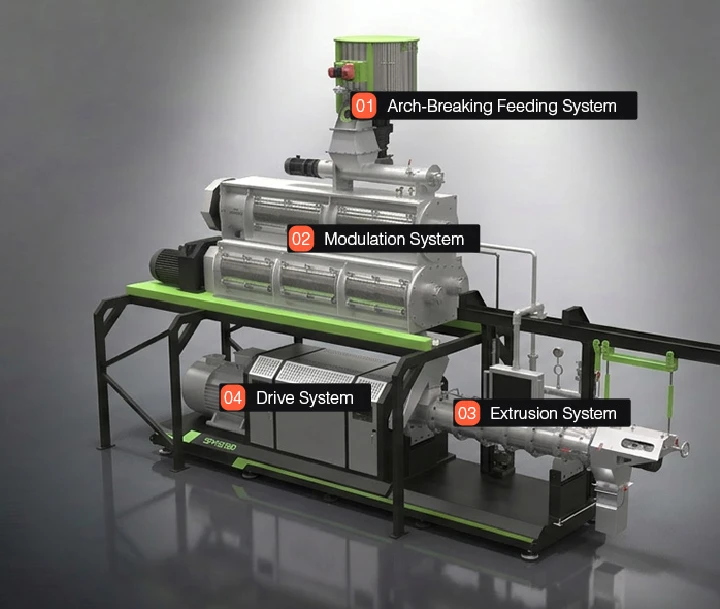
Twin-screw fish feed extruder making machine is mainly composed of three main parts: feeder, extrusion main machine and cutting system. The following is a brief introduction to the main components of the extruder.
Feeder
Intelligent Variable Frequency
Equipped with an anti-caking hopper and a variable-frequency feeding motor, the system automatically adjusts the feeding speed based on the characteristics of the raw materials. It features a unique anti-clogging design to ensure that materials enter the extrusion chamber continuously and uniformly, thereby preventing interruptions in feeding or material accumulation.
Extrusion Chamber
High-Power Twin Screw
The twin wear-resistant alloy screws rotate in synchronous intermeshing within the extrusion chamber, generating powerful mixing and shearing forces; concurrently, the chamber is equipped as standard with bi-metallic expansion sleeves, offering superior resistance to wear and corrosion to ensure the long-term, stable operation of the equipment.
cutting system
High Precision
The discharge die offers a hole diameter range of 0.5 to 20 mm and can be quickly interchanged to suit the specific nutritional requirements of various aquatic organisms. The cutter features independent variable-frequency speed control and a “soft blade” design, ensuring that the finished pellets have clean, smooth cuts free of burrs.
Fish Feed Extruder for Sale
You are free to select a fish feed extruder production line with the specific capacity that best suits your personal budget and desired production output.
Small-scale Production Line (0.5-2 tons/hour)
Specifically designed for small-scale fish farms, local feed mills, and entrepreneurs entering the aquaculture feed industry for the first time. Ideal for self-use or small-batch multi-species production.
Main Equipment: Hammer mill, mixer, single/double-screw extruder (or pellet mill), dryer, counterflow cooler, vibrating screen, packaging machine.
Particle Size: 0.5-12 mm (Fully adjustable)
Ideal for: Startups, self-feed farms, and users needing multiple small-batch recipes.
Medium-scale Production Line (3-5 tons/hour)
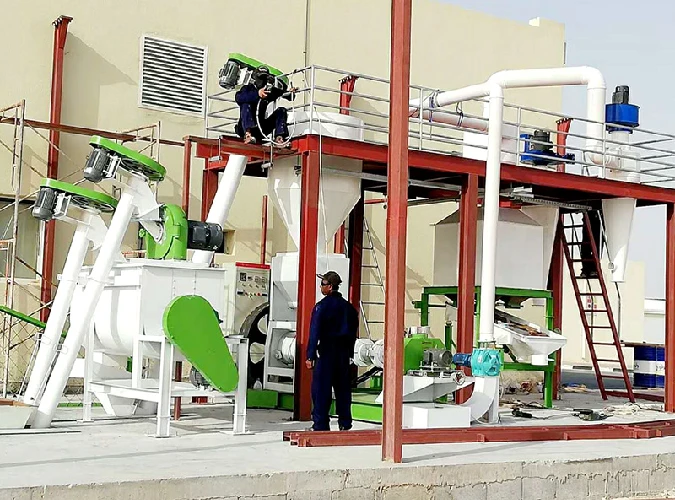
Specifically designed for commercial fish farms, feed processing plants with stable market demand, and distributors transitioning to own-brand production. Supports floating, sinking, and slow-sinking feeds.
Main Equipment: Ultra-fine grinder, automatic batching system, twin-screw extruder, belt dryer, vacuum coater, counterflow cooler, vibrating screen, automatic packer.
Particle Size: 0.5-12 mm
Ideal for: Medium feed mills, farms seeking formula control, and own-brand investors.
Large-scale Production Line (6-12 tons/hour)
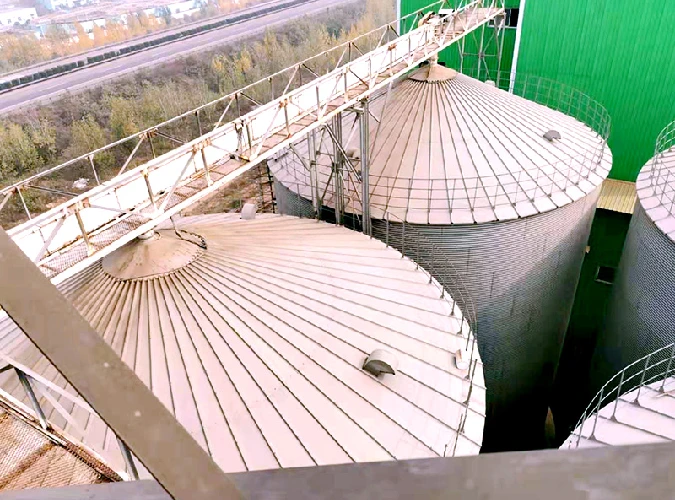
Tailored specifically for medium-to-large-scale commercial feed mills and aquaculture enterprises requiring high-volume, continuous production, this system features an advanced level of automation.
Main Equipment: hammer mill, mixer, twin-screw extruder, belt dryer, spray coating system, counterflow cooler, rotary sifter, ect.
Particle Size: 0.5-12 mm
Ideal for: Factories near full capacity, multi-shift operations, and producers needing stable large-scale supply.
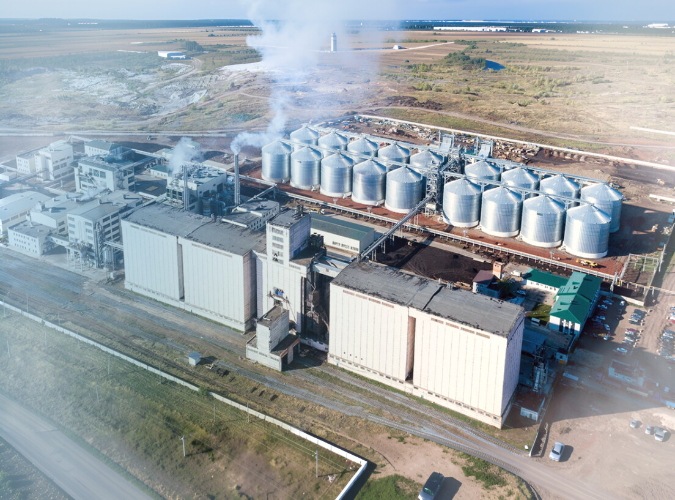
Ultra-large-scale Production Line (13-20 tons/hour)
Specifically designed for large-scale chain feed mills, export-oriented manufacturers, and integrated aquaculture corporations. Features fully automated batching and turnkey engineering.
Main Equipment: Large hammer mill + ultra-fine mill, twin-shaft paddle mixer, twin-screw extruder, vacuum coater, fully automatic packer, wastewater treatment, ect.
Particle Size: 0.5-12 mm
Total Power: Large feed mills, export/chain producers, and enterprises targeting multi-species feed.
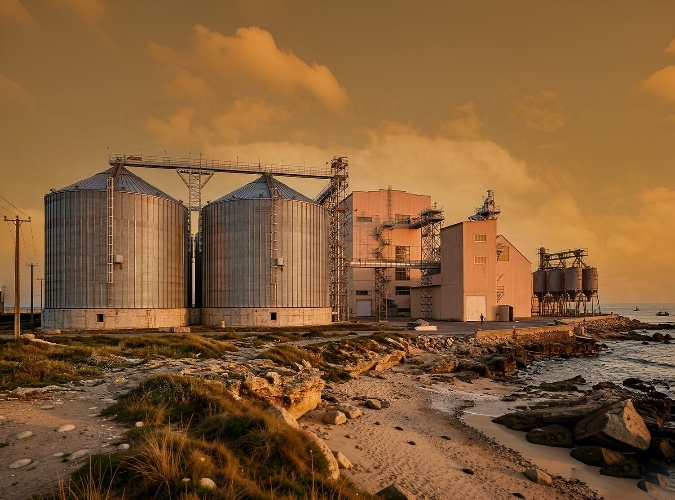
Fish Feed Extruder Process Flow
RICHI fish feed extruders offer modular solutions from raw material receiving to finished product packaging. Below is the processing flow of their production line.
Raw Material Pretreatment
Impurities and moldy particles are removed through screening and magnetic separation, and the materials are stored in groups based on hardness and density to prevent uneven mixing.
Crushing and Grinding
Raw materials are fed in batches into the ultrafine grinder for independent grinding, thereby preventing cross-contamination.
Mix Ingredients
Add the base ingredients and additives—such as vitamins—according to the formula, and mix thoroughly using mechanical stirring.
Extrusion Puffing
When processing fish and shrimp feed, a twin-screw extruder allows for the adjustment of pellet size by changing the die head, thereby achieving the desired expansion and shaping.
Dry and Spraying
The granules are dried to an appropriate moisture level using a drying system, and high-pressure atomizing nozzles are employed to uniformly spray oils, flavorings, enzymes, and probiotics onto the granule surfaces.
Cooling and Packaging
Circulating cold air rapidly reduces the temperature of the granules to room temperature, after which a fully automatic packaging machine performs the weighing, filling, sealing, and labeling.
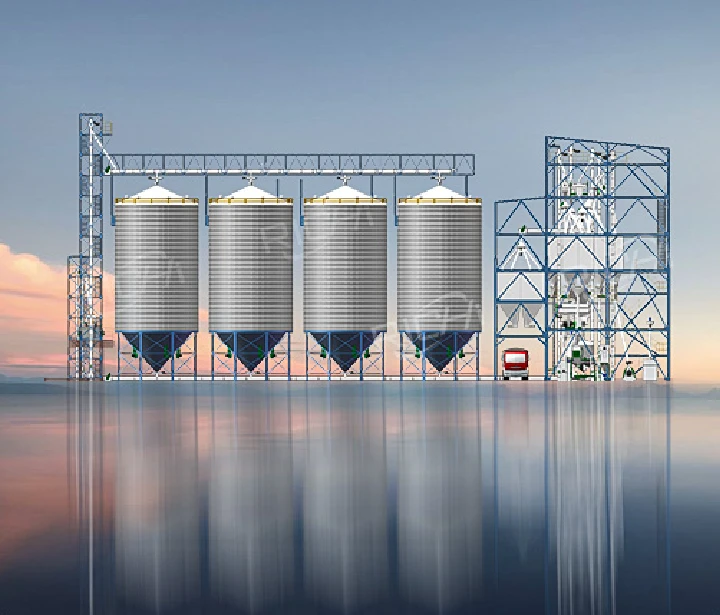
Precisely
Tailored Solutions
Based on the specific characteristics of the raw materials or site constraints, RICHI’s engineers will redesign the process workflow and adjust the quantity of required equipment.
Fish Feed Extruder case studies
●Russia
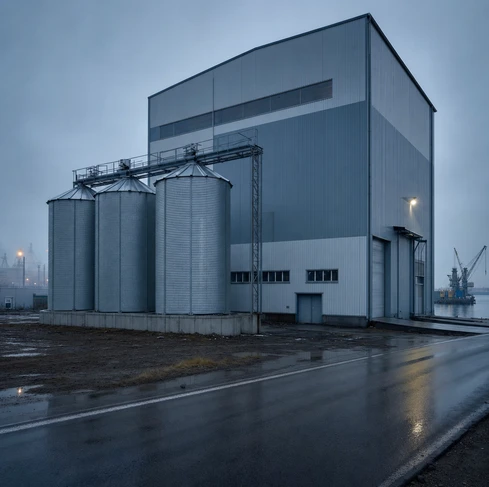
5T/H Floating Fish Feed Pellet Production Line
Centered on a wet twin-screw extruder, and equipped with ultrafine grinding, conveyor belt drying, and post-coating equipment, this system is suitable for producing high-value-added floating aquatic feed.
- Ingredients : Soybean meal, wheat, fish meal,black meal,maize.
- Product dimensions : 0.5-8mm
●Indonesia
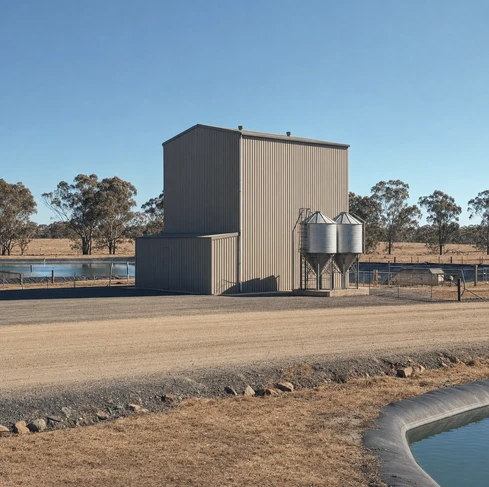
2T/H Shrimp Feed Pellet Production Line
Main equipment: Crushers, twin-shaft paddle mixers, shrimp feed pellet mills, counter-flow coolers, ton-bag scales, etc.
- Ingredients : Fish meal, yeast powder, wheat bran, soy lecithin, etc.
- Product dimensions : 0.6-8mm
●Philippines
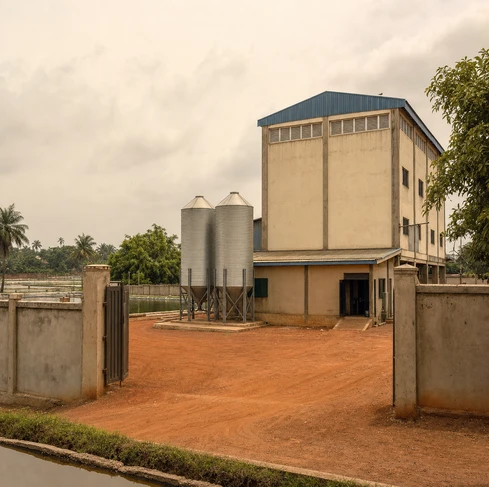
5T/H Floating Fish Feed Pellet Production Line
Main equipment: Cylindrical Primary Cleaner, Hammer Mill, Twin-Shaft Paddle Mixer, Floating Fish Feed Extruder, Vacuum Coater, etc.
- Ingredients : Cassava, fish meal, rice bran, soybean meal, etc.
- Product dimensions : 1.5-5mm
●Brazil
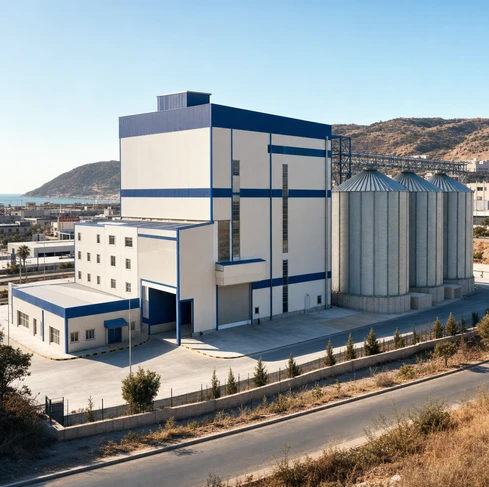
10T/H Fish & Shrimp Feed Pellet Production Line
A composite production line combining pelleting and extrusion is used, featuring a 6-8 grade motor, a three-layer conditioner, a high-compression-ratio ring die, an ultrafine grinding system, and a post-maturation unit.
- Ingredients : Soybean meal, fish meal, rice bran, vegetable oil, etc.
- Product dimensions : 1-4mm
Our
Core Strengths
RICHI Machinery remains steadfastly focused on innovative R&D and precision manufacturing. Through our scientifically tailored services, comprehensive after-sales support, and advanced, reliable equipment, we empower you to maximize your profits.
Scientific Customization Services
Our company has a dedicated R&D and design team to provide customized services. Whether for household or commercial use, we will develop a tailored feed extruder production line that is efficient and stable for your needs.


Comprehensive After-Sales Support
RICHI provides comprehensive after-sales support and have a global network of maintenance personnel. If any issues arise with the equipment, our after-sales team will immediately provide solutions, and dedicated technicians will offer on-site repairs within 48 hours to minimize your downtime.
Advanced Reliable Technology
RICHI Manufacturing is backed by an advanced technology system. We have obtained certifications including European CE and Swiss SGS. Our strong technical capabilities ensure reliable production for your operations.
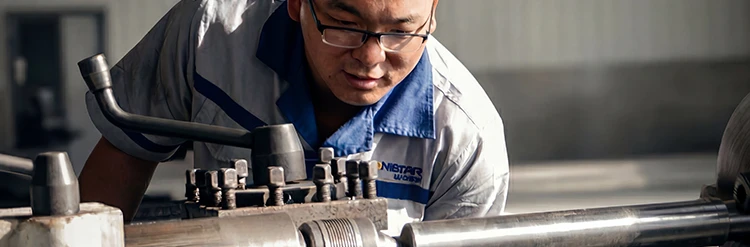
Global Service Experience
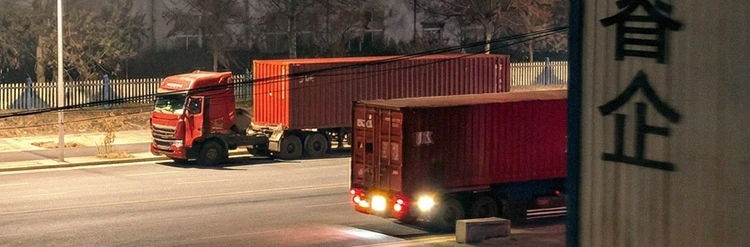
RICHI floating fish feed extruders cover more than 120 countries and regions worldwide, adapting to different climates and farming models. With thousands of successful customer cases, their quality has stood the test of time.

About RICHI Machinery
Based in China and serving global markets, RICHI Machinery is a global manufacturer and engineering service provider specializing in pellet production equipment and complete processing systems. From feed, biomass, and organic fertilizer to cat litter and agricultural waste recycling, we help customers build efficient, reliable, and scalable production solutions tailored to their raw materials, capacity requirements, and market goals. With projects delivered across multiple industries and countries, our focus is always on practical performance, long-term operation, and customer success.
Advanced Engineering & Intelligent Manufacturing
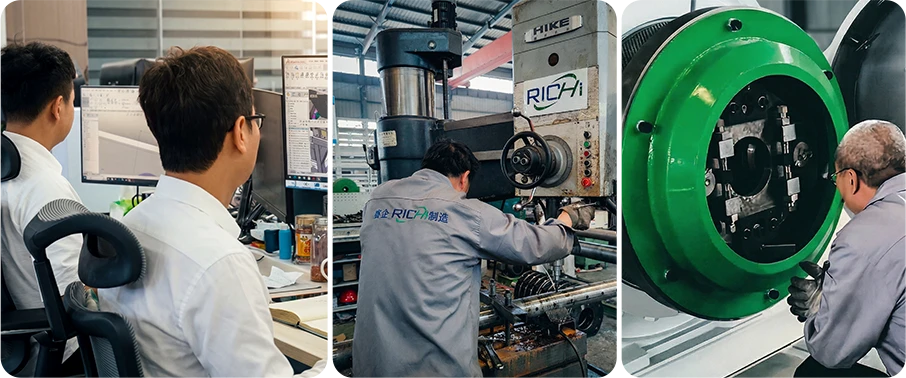
Driven by technology and manufacturing expertise, RICHI integrates process engineering, equipment R&D, intelligent manufacturing, and project delivery into one complete service system. Our modern production facilities, precision machining capabilities, and experienced technical team allow us to provide customized equipment, complete plant design, automation integration, installation guidance, and ongoing technical support. From single machines to fully integrated production lines, we deliver solutions designed for stability, efficiency, and sustainable production growth.
Frequently Asked Questions
The following is a summary of frequently asked questions regarding configuration, installation, after-sales service, pricing, and complete plant setup, to help you quickly understand RICHI products.
Why can’t I use a screw conveyor for extruded pellets?
Extruded pellets have a porous, lightweight structure with much lower mechanical strength than hard pellets. Using a screw conveyor will crush pellets through the agitation and compression of the screw blades, generating large amounts of fines and broken material that reduce finished product yield.
What is the difference between feed produced by a twin-screw extruder and that produced by a standard pelletizer?
Pellets produced by conventional granulators are dense—potentially even containing hard cores—and are therefore relatively difficult to digest. In contrast, a twin-screw extruder enables the complete gelatinization of starch and more thorough denaturation of proteins; this results in finished pellets with a looser structure that are easier for animals to chew, making them particularly suitable for young animals or aquatic species with weaker digestive systems.
What advantages do twin-screw machines offer compared to traditional single-screw floating extruders?
The “twin-screw extruder” is a high-performance model capable of producing both floating and sinking feeds. Its barrel houses two co-rotating, intermeshing screws; consequently, it features a complex structure and high precision. Compared to traditional single-screw floating-feed extruders, it is characterized by strong shearing and mixing capabilities, enabling the efficient processing of formulations high in fat, moisture, and fiber, yet low in starch.
What is the difference between an “extruder” and a “granulator”?
Regarding raw material adaptability, twin-screw extruders are capable of processing raw materials with high oil and moisture content, whereas pelletizers are typically suited for dry raw materials. In terms of pellet types, twin-screw extruders can produce floating, sinking, and slow-sinking feed pellets, whereas feed pelletizers are generally limited to producing sinking feed pellets. As for operating principles, twin-screw extruders utilize the principle of extrusion, while pelletizers employ the principle of compression molding.
Core Equipment Configuration?
All equipment uses Siemens motors and SKF bearings; all parts in contact with materials are made of stainless steel.
Not satisfied with the price?
We recommend suitable models and processes based on customer needs, patiently answer questions, and provide multiple solutions for users to choose from.


