
Dry Type Fish Feed Extruder
Are you looking for a reliable and durable fish feed extruder? RICHI dry type fish feed extruder is a reliable choice. It outperforms competitors in reputation, quality, and service.
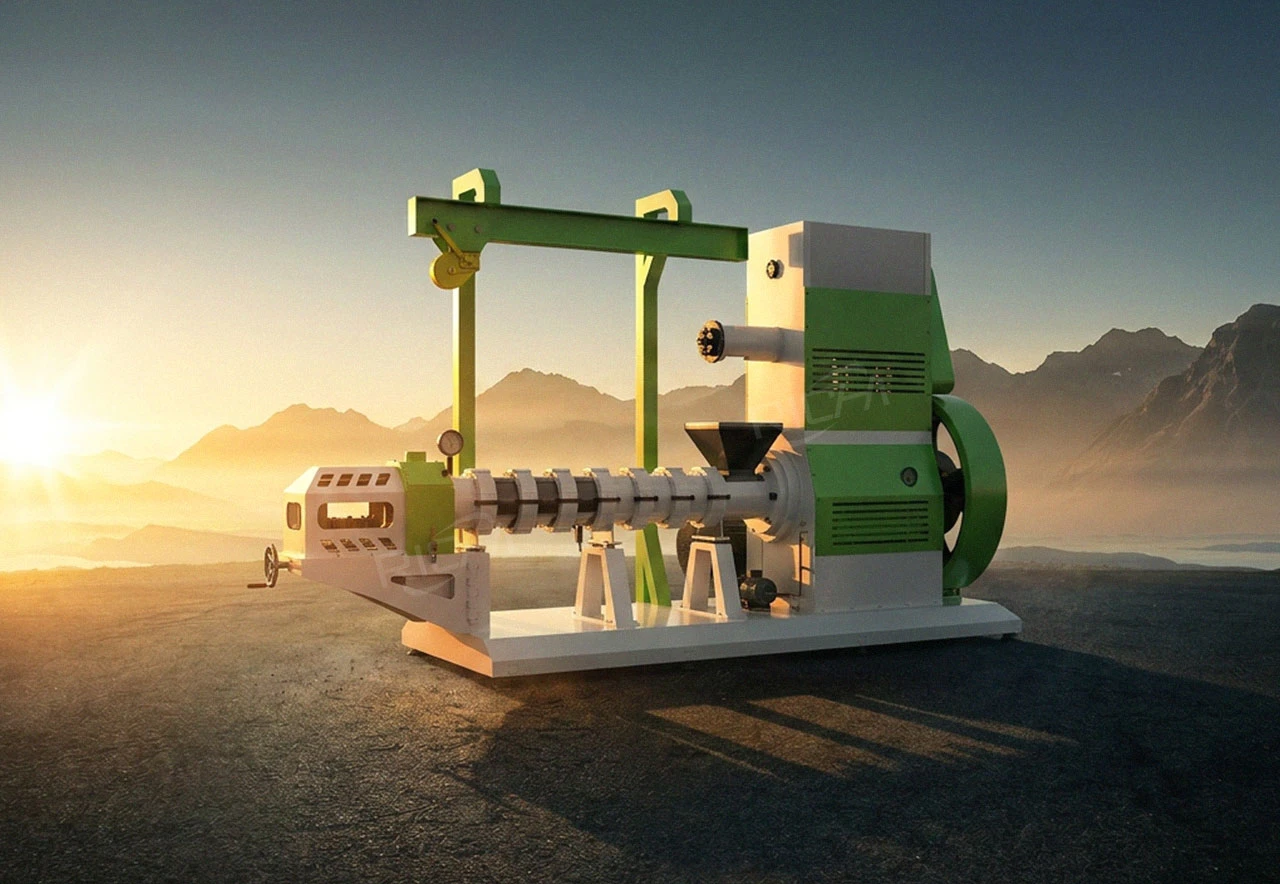
RICHI Dry Fish Feed
Extruder Structure
Based on the conditioning method, fish feed extruders can be divided into dry and wet types. Based on the number of screws, they can be divided into single-screw, twin-screw, and multi-screw types. Next, I will introduce the RICHI dry single-screw fish feed extruder.
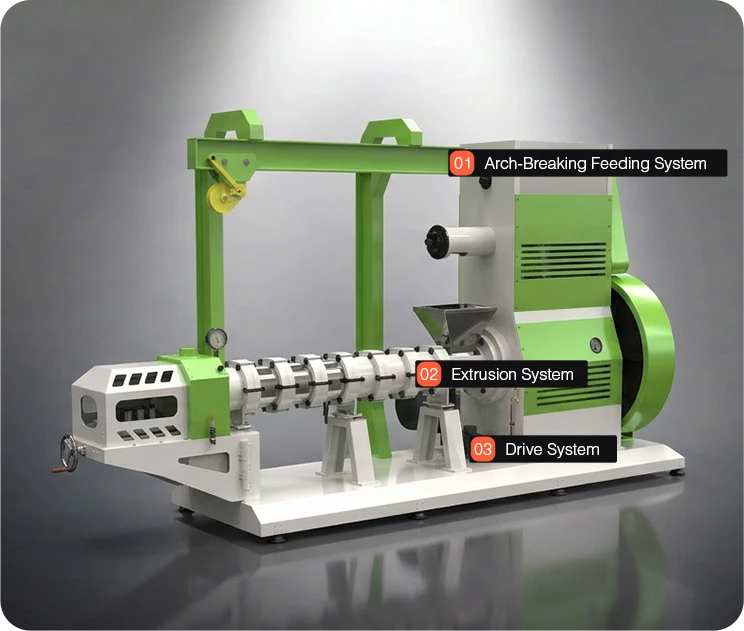
Equipment Structure
The dry fish feed extruder relies on mechanical friction and compression for heating, eliminating the need for a steam conditioning system. It has a simple structure and low energy consumption. Many small and medium-sized fish feed processing plants have chosen this highly cost-effective machine.
Capacity: 0.2-1T/H
Power: 37-90kW
Finished Pellet Diameter: 0.5-50mm

Feeding System
The feed inlet is designed to be wide and large, making feeding particularly convenient. In production, faster feeding isn’t always better, as this can easily lead to blockages and reduce efficiency. Our variable frequency motor can automatically adjust the feeding speed according to actual production conditions.
Extrusion Processing System
This is the core of the extruder, primarily involving the screw and sleeve. After the raw material enters the screw chamber, it undergoes high temperature and pressure. This causes starch gelatinization and protein denaturation, allowing the material to mature, expand, and deform gradually.
In other words, based on the screw’s role, we can simply divide this process into three parts: feeding section, compression section, and extrusion section. Does this make things clearer?
Cutting System
The machine uses an internationally advanced soft-blade structure, ensuring the blades remain firmly in contact with the extruder die surface. It also features continuously variable speed control, allowing you to adjust the cutting speed at will. The resulting finished pellets have smooth, neat edges without burrs.
Power System
We use Siemens motors, providing strong and stable power during the operation of the dry fish feed extruder. In addition, all dry fish feed extruders are equipped with SKF bearings, which can withstand both high-speed screw rotation and prolonged high-load production.
Equipment Parameters
RICHI dry single-screw fish feed extruder is suitable for producing floating and sinking fish feed.
In addition, we also offer small dry extruders for small-scale production, as well as DSP series wet extruders and SPHS series twin-screw extruders, which are typically used in medium and large feed mills.
| Model | DGP-90B | DGP-120B | DGP-160B |
| Capacity(T/H) | 0.2-0.4 | 0.5-0.6 | 0.8-1 |
| Main Motor Power(kw) | 37 | 55 | 90 |
| Feeder Motor Power(kw) | 0.75 | 202 | 3 |
| Cut off Power(kw) | 0.55 | 1.1 | 1.5 |
| Screw Diameter(mm) | 90 | 120 | 160 |
| Overall Size(mm) | 2100*1450*1350 | 2400*1950*1600 | 3100*2650*1800 |
Core Advantages
Compared to other dry fish feed pellet mills on the market, RICHI’s machines have three core advantages:
Low investment, stable returns
The dry single-screw fish feed extruder converts mechanical energy into heat energy. Its structure is simple, requiring neither the conditioning system of wet extruders nor the two-screw configuration of twin-screw extruders.
Therefore, the cost of this equipment is relatively low, making it ideal for small and medium-sized fish feed processing plants. Whether used in their own fishponds or supplying the local market, the capacity of one fish feed extruder is more than sufficient.
The machine hasn’t retired—you have
The machine body is made of high-specification alloy steel. The core components, the screw and sleeve, are not made of ordinary alloy steel; they are heat-treated and molded, making them more resistant to wear and corrosion.
The cutting system uses internationally advanced soft blades, along with Siemens motors, SKF bearings, and more.
One RICHI machine, many uses
With just one dry fish feed extruder, you can master the production methods of floating, sinking, and slow-sinking feeds.
Moreover, you can also make pellet feed, such as pet food and shrimp feed. With simple operations, such as adjusting the discharge template and cutter, or changing the mold, you can easily maximize the use of this machine.
Applications of the Extruder
We’ve seen many customers who initially bought a professional fish feed machine, but later wanted to switch to the pet market, requiring them to buy a separate pet feed machine. RICHI’s dry fish feed extruder was designed differently from the start. It has only one screw, but can be paired with different molds. From fish feed to cat food, one machine handles it all.
Wide Range of Raw Materials
RICHI fish feed extruder can process not only plant-based raw materials such as corn, soybeans, wheat, rice bran, and wheat bran, but also animal-based raw materials such as fishmeal, crab meal, and bone meal.
No matter what raw materials you use, this machine can turn them into nutritious and easily digestible feed.
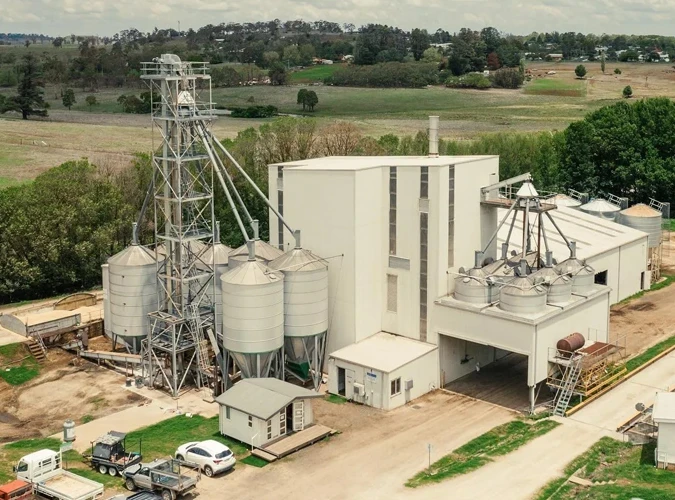
More Than Just Fish Feed
You can use RICHI’s dry fish feed extruder to make feed for aquatic animals like catfish, tilapia, and shrimp, and also for extruded feed for cats, dogs, and rabbits.
You can adjust the pellet size to match the growth stage of the fish, shrimp, or pet.

For Small to Large-Scale Operations
RICHI’s small dry fish feed extruder serves small-scale fish farms, commercial feed plants, and research institutions alike.
If you are building a fish and shrimp feed or pet food production line, we can help you choose the appropriate model and also provide complete fish feed production line supporting facilities.

Fish Feed Production Line Process Flow
Below, I will use the operation of a dry fish feed pellet mill on a production line as an example to illustrate the stages of a complete fish feed production line.
Cleaning and Transporting Raw Materials
Corn, bran, and other raw materials first pass through a pre-cleaning device to remove impurities, and then the conveyor transports the qualified raw materials to the production line.
Crushing and Mixing
Granular materials require initial crushing, followed by preliminary mixing of different raw materials according to the formula.
Second Crushing and Mixing
The mixed raw materials require secondary crushing, followed by removal of coarse fibers using a rotary grading screen. The system adds nutrients per the formula and then performs a second mixing.
Extrusion and Expansion
The dry fish feed extruder acts like a powerful dough mixer. The main shaft drives the screw, forcing the raw materials into the gap between the screw and the sleeve. The pressure and temperature increase with each extrusion, causing the raw materials to expand and deform, resulting in floating fish feed.
Drying, Cooling, and Screening
The freshly made pellets are extremely hot and need to be dried in a dryer to reduce their moisture content. After cooling, a rotary grading screen removes substandard pellets, leaving only the qualified ones.
Coating and Packaging
Depending on the formula requirements, you can coat the qualified pellets with oils or vitamins after screening, then weighed and packaged.
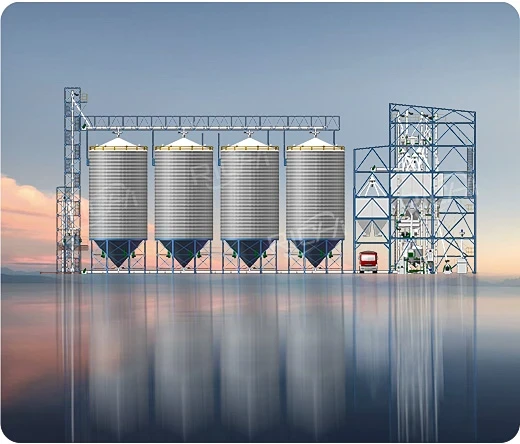
Feed Extruder
Project Case
RICHI dry fish feed extruders have earned the trust of customers in over 140 countries and regions worldwide. Below are some successful case studies of customized solutions we’ve developed for our clients:
Case Studies
●Indonesia
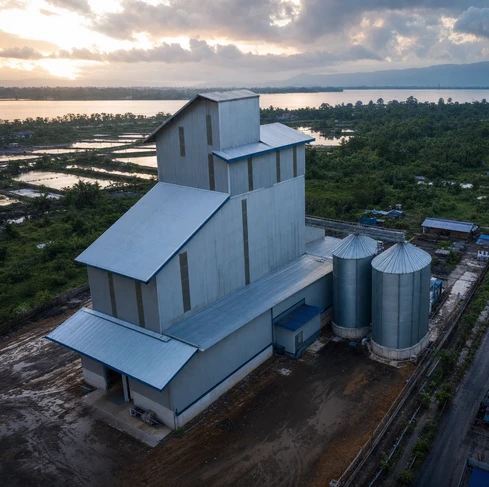
0.4T/H Dry Fish Feed Extruder
The client is a small local fish farm that wanted to produce their own fish feed. Their main raw materials are soybean flour, cassava flour, and fishmeal. We recommended the DGP series machines, which perfectly covered their production capacity needs.
- Model : DGP-90B Dry Fish Feed Extruder
- Capacity : 0.4T/H
●USA
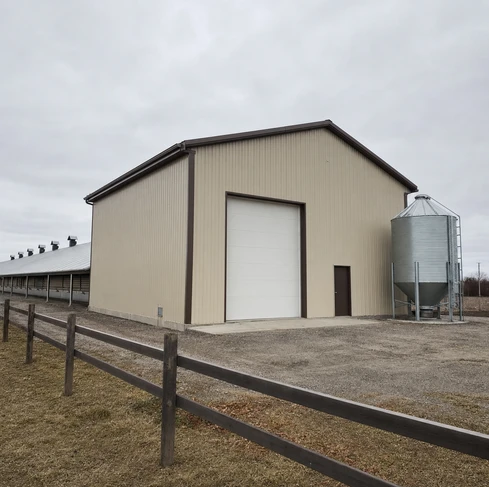
1T/H Dry Fish Feed Production Line
The client operates a medium-sized fish farm, primarily raising trout and tilapia. We customized a low-cost fish feed production line for them.
- Model : DGP-160B Dry Feed Extruder
- Capacity : 1T/H
●India
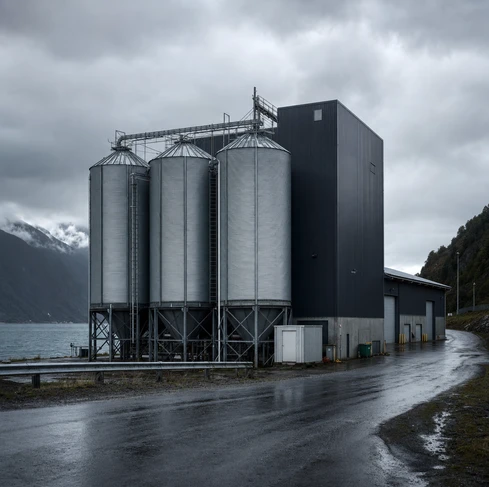
1.2T/H Dry Fish Feed Production Line
The client operates a medium-sized local fish farm and wanted to produce their own fish feed using corn and fishmeal as raw materials. We designed a complete fish feed production line for them.
- Model : DGP-120 Dry Feed Extruder
- Capacity : 1.2T/H
●Brazilian
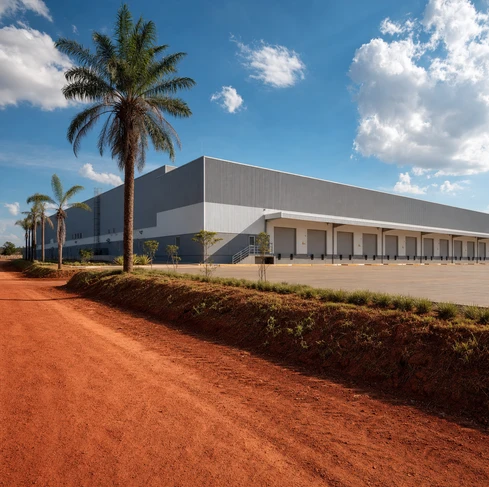
1.5T/H Dry Fish Feed Production Line
The client operates a fish and shrimp feed processing plant, mainly using soybean meal, corn meal, fish meal, and premixed additives as raw materials, and hopes to achieve a production capacity of over 1.2T/H.
- Model : DGP-120B Dry Feed Extruder
- Capacity : 1.5T/H
Project System
RICHI provides comprehensive service support for clients purchasing dry fish feed extruders or production lines, mainly including:
Discussing Needs First, Then Determining a Solution
Please tell us: What kind of fish do you mainly raise? How much feed do you need daily? What is your budget range? RICHI’s engineers will provide a complete equipment list and workshop layout diagram based on this information. For example, a client from Uzbekistan wanted to produce both fish feed and chicken feed simultaneously, and we designed a dual-purpose line for both fish and chicken feed.

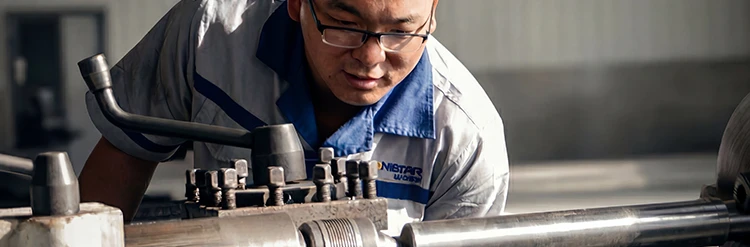
High-Quality Equipment Materials
Core components are made of special wear-resistant alloy steel and heat-treated. We include Siemens motors as standard and equip all machines with SKF bearings. Every extruder undergoes a no-load test before leaving the factory to ensure performance meets standards. We use only certified, high-grade materials.
Fast Logistics
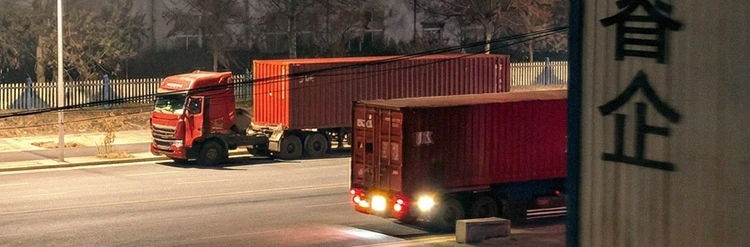
We currently support sea, rail, or air freight. We recommend sea or rail for regular orders as it is economical and reliable. We reinforce each machine with a wooden crate before shipment, and we provide customs clearance assistance upon arrival at the port. To date, equipment has been successfully shipped to the United States, Brazil, India, and other countries without any damage during transit.

No After-Sales Disputes
We offer a 12-month warranty. For any issues, we prioritize video guidance for troubleshooting. If the problem cannot be resolved, RICHI can dispatch engineers to the site for repair. Furthermore, we provide lifetime equipment maintenance; repairs only incur the cost of parts.

About RICHI Machinery
Based in China and serving global markets, RICHI Machinery is a global manufacturer and engineering service provider specializing in pellet production equipment and complete processing systems. From feed, biomass, and organic fertilizer to cat litter and agricultural waste recycling, we help customers build efficient, reliable, and scalable production solutions tailored to their raw materials, capacity requirements, and market goals. With projects delivered across multiple industries and countries, our focus is always on practical performance, long-term operation, and customer success.
Advanced Engineering & Intelligent Manufacturing
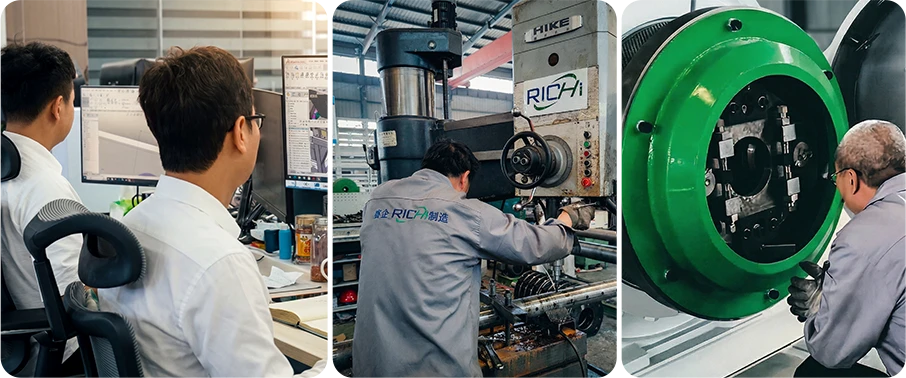
Driven by technology and manufacturing expertise, RICHI integrates process engineering, equipment R&D, intelligent manufacturing, and project delivery into one complete service system. Our modern production facilities, precision machining capabilities, and experienced technical team allow us to provide customized equipment, complete plant design, automation integration, installation guidance, and ongoing technical support. From single machines to fully integrated production lines, we deliver solutions designed for stability, efficiency, and sustainable production growth.
Frequently Asked Questions
What’s the difference between dry and wet extruders?
The main difference lies in the heating method. Dry extruders generate heat through friction and extrusion between the screw and barrel. Their simple structure makes them suitable for small-scale fish farms and processing plants. Wet extruders, on the other hand, feature a conditioner and a steam conditioning process, allowing them to adapt to a wider range of formulations and raw materials, making them suitable for medium to large-sized feed processing plants.
How to choose between single-screw and twin-screw extruders?
It mainly depends on factors such as capacity requirements, raw materials, and budget. Single-screw extruders typically have a capacity of 0.3-1.2 T/H and can effectively process low-oil feeds such as corn and soybean meal, making them suitable for small to medium-sized fish feed processing plants with tight budgets. Twin-screw extruders have a capacity of over 1 ton per hour and can process high-protein and high-oil raw materials, but the initial investment cost is relatively high.
What models of fish feed extruders do you offer?
RICHI offers the DGP dry fish feed extruder and the DSP wet extruder, both of which are single-screw. In addition, we also have the RCPH series twin-screw fish feed pellet mills and the SZLH series submerged fish feed pellet mills, etc. If you are unsure which to choose, please contact us.
How long do the screw and barrel of RICHI dry fish feed extruders last?
Our screws and barrels are made of wear-resistant and high-strength materials and have undergone heat treatment, making them more durable than ordinary machines on the market. The specific lifespan depends on your raw materials, processing intensity, and daily maintenance.
Do you charge for your consulting services? Will I be charged if you provide a customized solution but I don’t purchase it?
Pre-sales consultation is free. We can provide you with product consultation, preliminary solution design and quotation, factory planning analysis, and other services, all free of charge.
How much do your machines cost?
Fish feed extruders range in price from $2,000 to $40,000, depending on the model and configuration. Tell us your daily feed requirement and raw materials—we’ll send you a quote within 24 hours.


