

Aqua Feed Production Line
Types of Aqua Feed Production Lines
Our lines are designed based on the physiological characteristics of aquatic animals. You can flexibly adjust the formula to provide full and rich nutrition. We divide aqua feed lines into four types:
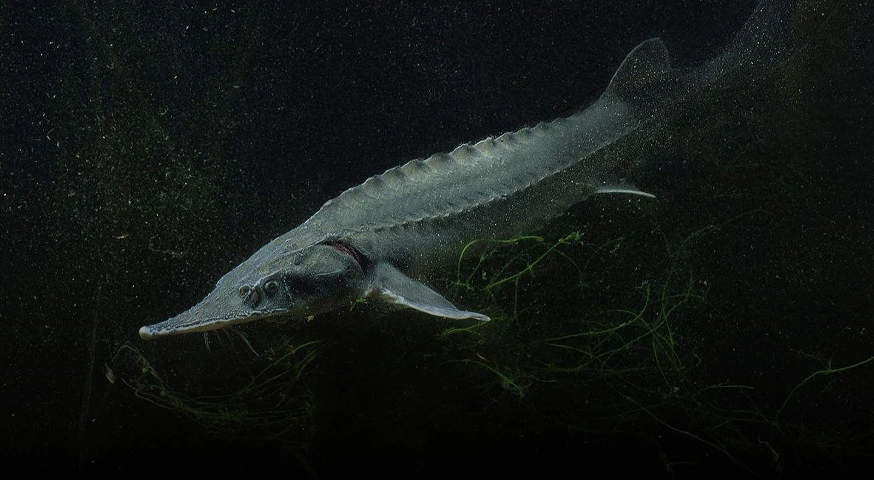

Fish Feed Line
Two types: sinking and floating. Sinking fish feed is for carp, crucian carp, etc. Floating feed is for tilapia, seabass and other mid‑to‑upper layer fish. By adjusting extrusion parameters and compression ratio, one line can make both sinking and floating fish feed.
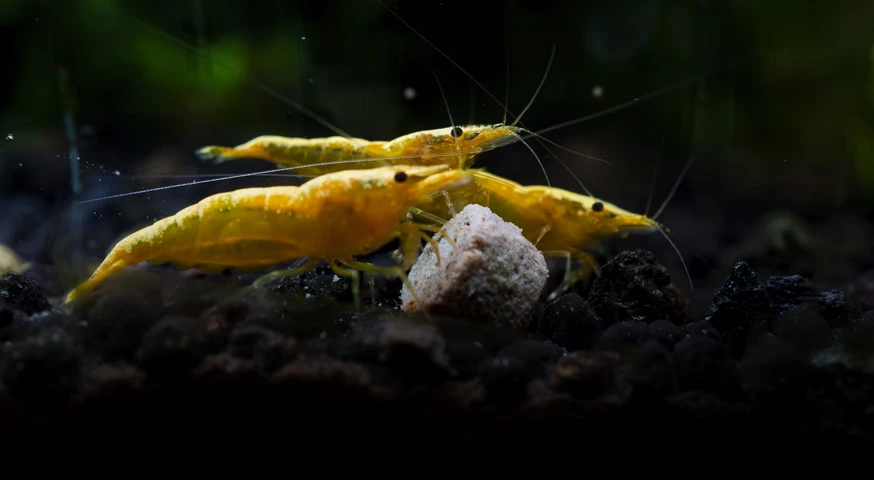
Shrimp Feed Line
Tailored for shrimp and crayfish. The process features ultra-fine grinding and double-shaft conditioning. Plus, our dedicated granulator ensures the pellets sink steadily to the bottom.
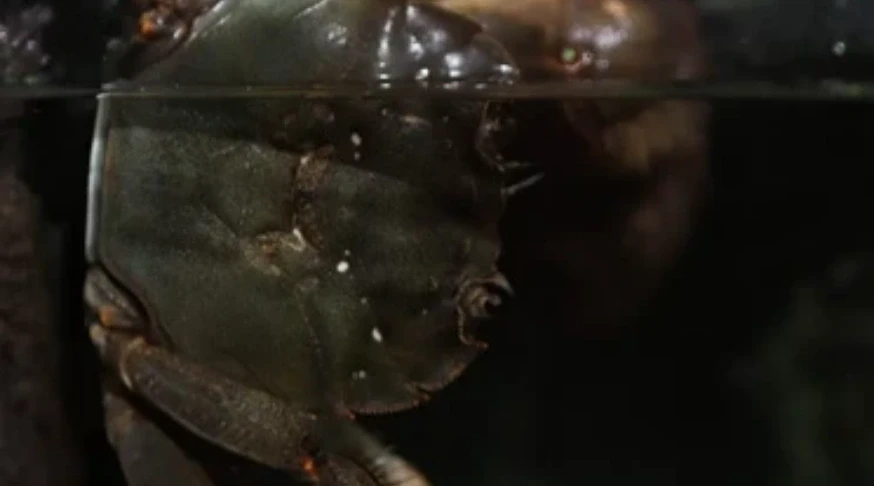
Crab Feed Line
Built for bottom-dwelling crabs. It incorporates ultra-fine grinding and extended post-conditioning. The pellets remain compact, highly stable in water, and resist crumbling.
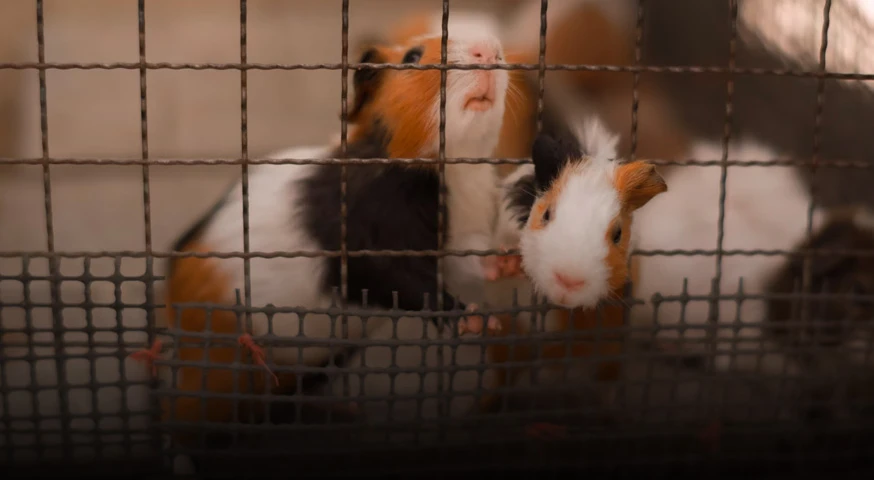
Pet Feed Line
For cats, dogs, hamsters, and also aquatic pets like ornamental fish and turtles. The line design considers appearance, color and nutrition of pet food. Core equipment uses stainless steel. An easy‑clean system keeps the feed hygienic.
A Complete Aqua Feed Production Line
Cleaning System
A permanent magnet drum and a pre‑cleaner first clean the raw materials like fish meal, corn and soybean meal. They remove iron, stones and mold. This keeps the raw materials clean and hygienic.
Grinding System
Large raw materials like fish meal and corn are ground to the right fineness. The fineness is adjusted based on the type of fish, shrimp or crab and their growth stage. Shrimp and crab feed needs higher fineness. The line often uses an ultra‑fine grinder or a classifying wheel for secondary grinding.
Batching & Mixing System
An electronic batching scale automatically weighs ingredients per the formula. A mixer blends them evenly. For shrimp and crab feed, you need a twin‑shaft mixer and a micro‑liquid addition device. This helps mix trace additives like vitamins more evenly.
Conditioning & Pelletizing Systemelletizing
This is the core section of an aqua feed line. The mixed raw materials are conditioned under high temperature and pressure, then extruded into shape. Depending on what pellets you want, choose a single‑screw extruder, twin‑screw extruder or ring die pellet mill.
Drying System
This reduces pellet moisture. Dry pellets store longer. Sinking fish feed has low moisture and can often go to the next step. Note: Floating fish feed and shrimp/crab feed need moisture controlled to 8%–10%.
Cooling & Sieving System
After drying, pellets are about 80°C. They go into a cooler and cool to room temperature. Then a screener removes broken pellets or powder. Good pellets go to the next step.
Fat Coating & Packing System
Fat or vitamins are sprayed onto the good pellets. This adds flavor and nutrition. Finally an automatic packing scale weighs and bags them. For shrimp and crab feed, we often use thick woven bags. They resist moisture.
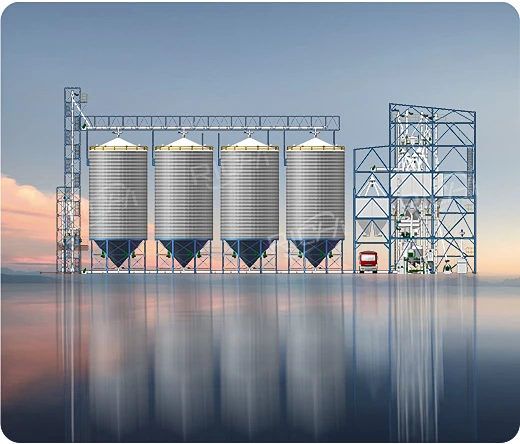
Floating feed, sinking feed, shrimp feed, fish feed, high humidity or low temperature environments—the following cases show how RICHI really handles real production challenges.
●Iran
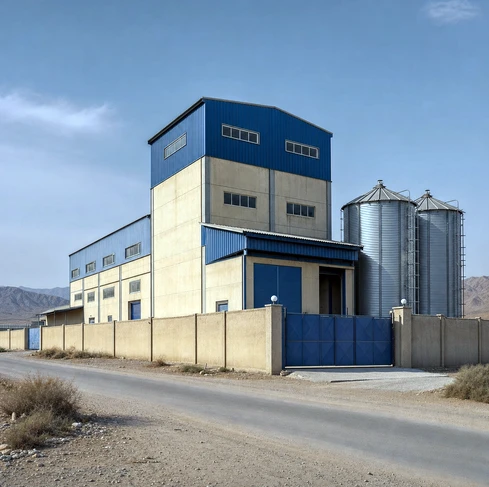
Floating Fish & Shrimp Feed Line Project
The line includes a floating fish feed extruder and a shrimp feed pellet mill with a three‑layer DDC conditioner. It makes fish feed, shrimp feed and various animal feed pellets.
- Customer output : 2t/h for floating fish feed, 5t/h for shrimp feed
- Raw materials : fish meal, soybean meal, corn, shrimp shell meal
●Uzbekistan
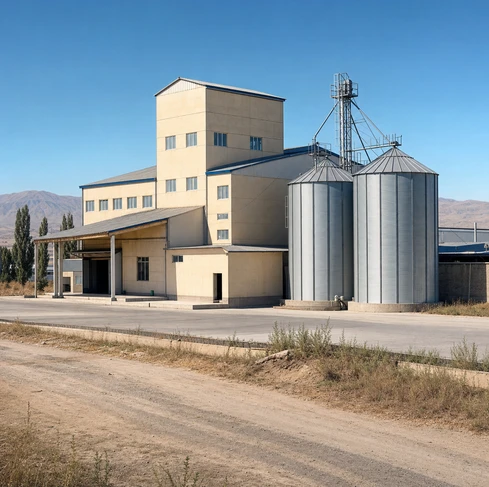
Sinking Fish Feed Line Project
The customer mostly raised carp and crucian carp. We custom made a ring die pellet mill with a double‑layer conditioner. We also did formula tests and fixed the compression ratio at 1:12.
- Customer output : 5t/h
- Raw materials : fish meal, soybean meal, cottonseed meal, premix
●Indonesia
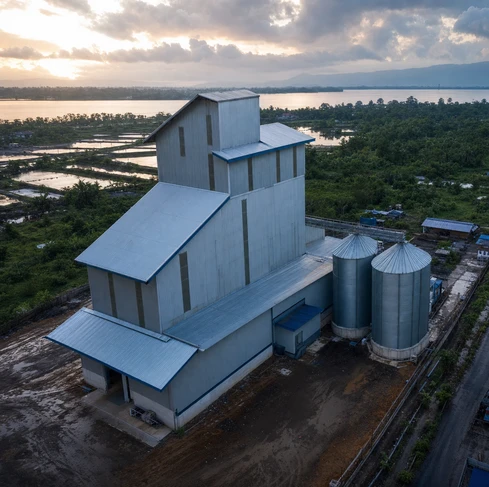
Shrimp Feed Line Project
We designed a high‑end shrimp feed line. It has an ultra‑fine grinder that takes raw material fineness to 100 mesh or more. A twin‑screw extruder is set to low‑expansion sinking mode. The pellets do not break apart in water for 2 hours.
- Customer output : 2t/h
- Raw materials : imported white fish meal, shrimp head meal, peanut meal, premix
●Russia
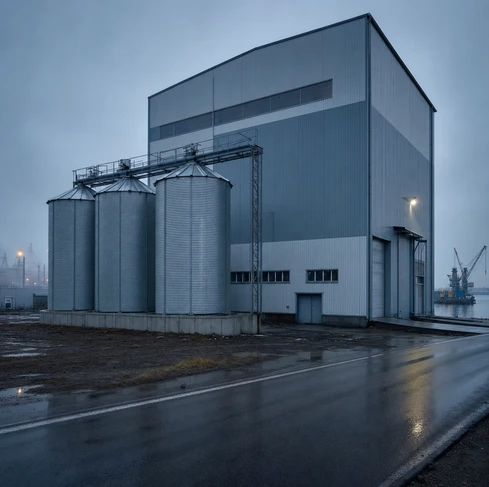
Floating Fish Feed Line Project
This line is fully automatic. It has a twin‑screw extruder. Pellets float for ≥24 hours. Core parts and pipes are insulated. This helps the line run continuously in the local cold climate.
- Customer output : 6t/h
- Raw materials : imported fish meal, soybean meal, corn protein powder, mineral premix

About RICHI Machinery
Based in China and serving global markets, RICHI Machinery is a global manufacturer and engineering service provider specializing in pellet production equipment and complete processing systems. From feed, biomass, and organic fertilizer to cat litter and agricultural waste recycling, we help customers build efficient, reliable, and scalable production solutions tailored to their raw materials, capacity requirements, and market goals. With projects delivered across multiple industries and countries, our focus is always on practical performance, long-term operation, and customer success.
Advanced Engineering & Intelligent Manufacturing
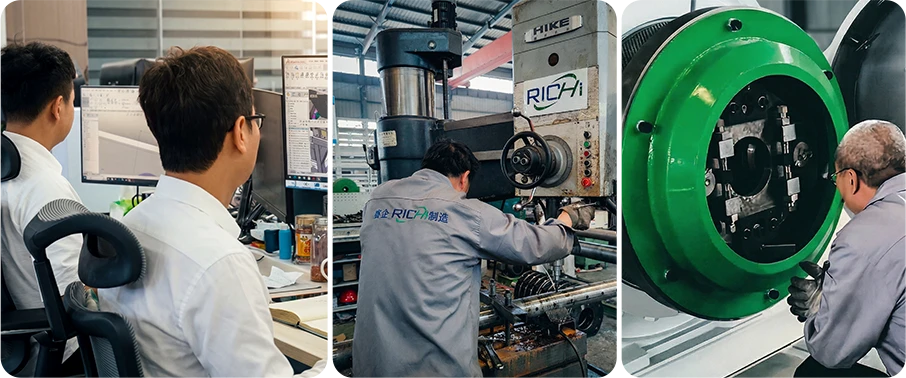
Driven by technology and manufacturing expertise, RICHI integrates process engineering, equipment R&D, intelligent manufacturing, and project delivery into one complete service system. Our modern production facilities, precision machining capabilities, and experienced technical team allow us to provide customized equipment, complete plant design, automation integration, installation guidance, and ongoing technical support. From single machines to fully integrated production lines, we deliver solutions designed for stability, efficiency, and sustainable production growth.
Frequently Asked Questions
You may also want to know these answers. They will help you start your aqua feed line more clearly.
What raw materials can your aqua feed line process?
Common grains, protein meals, high‑fiber materials, high‑oil materials, etc. Our aqua line is very flexible with raw materials. We can design the line based on your raw materials.
I want to build a fish feed line. How do I choose the right solution?
Fish feed has three types: floating, sinking and semi‑sinking. If you are not sure which one to make, do market research first. Find out what local farmers grow and what scale they have. Also consider your budget and local policies. You can also contact us. RICHI engineers will help you with a plan.
I make shrimp feed. What raw material gives the best cost?
Fish meal is a key raw material for shrimp feed, but it is expensive. There is no single “most cost‑effective” material. It depends on local market prices. Tell us your country and region. We will look at what raw materials you can buy locally and check our past cases. Then we will design a solution for you.
Can the same line make both fish feed and pet feed? How do I switch?
Yes, you can. The main differences are the dies and process parameters. Pet feed uses special‑shaped dies and a coating system. When switching, change the dies, adjust the coating system and change the expansion parameters.
Can I see how you build your equipment?
Yes. We have a 60,000+ m² equipment manufacturing base. You are welcome to visit our factory and see how our aqua lines are built and run. We also offer online virtual tours. We can also share case references of aqua lines in your country or region.
How long does it take to build a complete aqua feed line? How much does it cost?
The timeline depends largely on your project scale. For a small line, from design to production, it takes only a few weeks to about two months. Medium to large lines take 2-3 months.
Your project scale and line design both affect the price. Tell us your capacity needs and investment plan. We’ll give you a free proposal and quote.


